REVIEW · LISBON
Lisbon: Street Art and Historical Walking Tour
Book on GetYourGuide →Operated by My Lisbon Tours · Bookable on GetYourGuide
Street art meets killer viewpoints. This 3-hour, small-group walk blends Miradouro da Graça views with real stories behind murals in Graça, Mouraria, and Alfama. I love how the guide connects street art to Portugal’s street-level culture and politics, and I love the chance to spot named artists like Vhils and Odeith in context. One possible drawback: it is not a sit-and-stare tour, and some parts involve uneven stones and hills, so it is not suitable for people with mobility impairments.
Next, the route pushes east for more lookouts, including Miradouro Portas do Sol, then checks off big landmarks like São Jorge Castle without turning it into a stuffy history lecture. You’ll get commentary in English from a local guide, and you’ll walk through neighborhoods that feel more like Lisbon than a postcard.
If you like art that has opinions, and you like your sightseeing with some breathing room, this is a strong match. If you want only indoor stops or minimal walking, you’ll probably feel your legs mutiny by the end.
In This Review
- Key Highlights You’ll Actually Care About
- Where the Tour Starts: Miradouro Sophia de Mello Breyner Andresen
- The Graça Warm-Up: Views First, Then the Street Art Lens
- Spotting Named Artists in the Streets: Vhils, Nomen, Odeith, Gonçalo Mar
- Eastward to More Lookouts: Miradouro Portas do Sol
- São Jorge Castle: Cultural Heritage Without Getting Stuck in a Museum Mood
- Alfama and Mouraria: Off the Main Route, Into Real Neighborhood Texture
- How the Guide Makes or Breaks This Walk
- Small Group Size: Why Up to 8 People Is the Right Number
- Price and Value: Is $35 Worth 3 Hours of Streets?
- Who This Tour Suits Best (And Who Should Skip It)
- Practical Tips Before You Go
- Should You Book This Lisbon Street Art and Historical Walking Tour?
- FAQ
- How long is the tour?
- Where does the tour meet?
- What neighborhoods are included?
- What street art can I expect to see?
- What is included in the price?
- What is not included?
- What languages are available for the tour?
- Is this tour suitable for people with mobility impairments?
Key Highlights You’ll Actually Care About
- Miradouro da Graça start point: you begin at the church viewpoint (Sophia de Mello Breyner Andresen) to get your bearings fast.
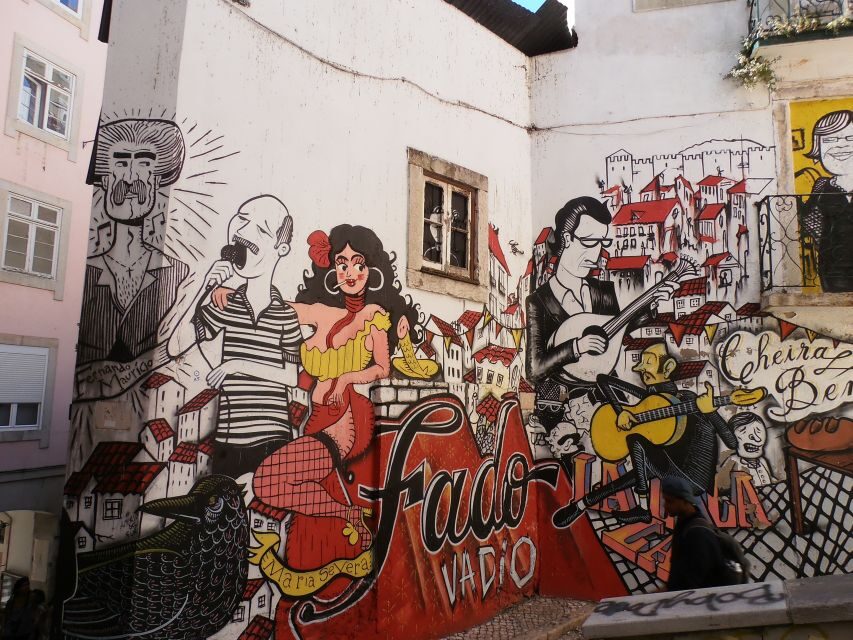
- Street art with names, not vague descriptions: you may see works associated with artists like Vhils, Nomen, Odeith, and Gonçalo Mar.
- Two viewpoint hits: Graça first, then Miradouro Portas do Sol, so you’re not just reading walls the whole time.
- São Jorge Castle as a context stop: you learn more about cultural heritage while still keeping the walk moving.
- Alfama and Mouraria off the main track: you get a sense of daily life, not just the famous angles.
- Small group size (up to 8): easier conversations, tighter pacing, and more direct attention from the guide.
Where the Tour Starts: Miradouro Sophia de Mello Breyner Andresen
This tour meets at the church by the Miradouro Sophia de Mello Breyner Andresen, also called Miradouro da Graça. The address is Calçada da Graça, 1100-265 Lisboa. Arrive a few minutes early because meeting points on hills can make time feel slippery.
Starting at a miradouro is smart. You get the wide view first, so when the streets later twist and climb, your brain has a map. Lisbon’s topography can feel like a maze at first—this start helps you understand why people build, walk, and create where they do.
One practical note: wear comfortable shoes. This is a walking tour, and the sidewalks in older Lisbon can be a mix of cobbles and uneven tiles. If you’re tempted to wear stylish-but-delicate shoes, don’t. Your feet will file a complaint.
You can also read our reviews of more walking tours in Lisbon



The Graça Warm-Up: Views First, Then the Street Art Lens

After meeting at Miradouro da Graça, the tour shifts from skyline to street level. You’re meant to look outward, then look closer. That switch matters, because street art often changes how you read a neighborhood. The walls become part of the geography, not just background noise.
Graça is a great place to start because it’s steep, layered, and full of small streets where art can sit right where people live. This tour uses that setting. You’re not just photographing spray paint. You’re learning how local and international urban artists leave marks that interact with Lisbon’s identity.
The guide’s English commentary is a big part of why this tour works. The goal isn’t to memorize a list of artists. It’s to understand why art appears where it appears, and what it’s saying to the people who walk those streets every day.
Spotting Named Artists in the Streets: Vhils, Nomen, Odeith, Gonçalo Mar
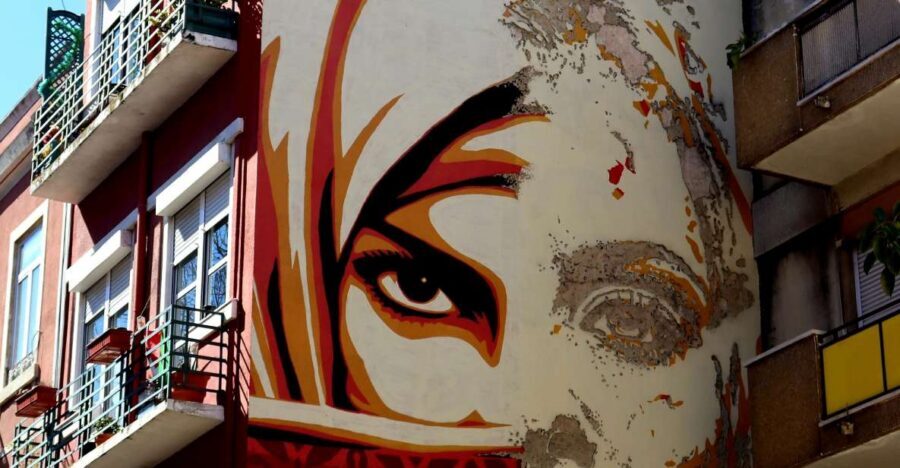
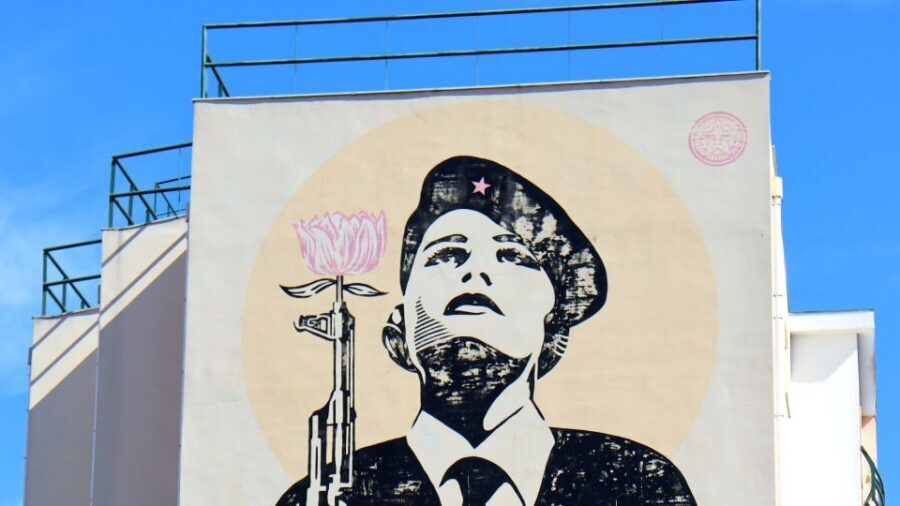
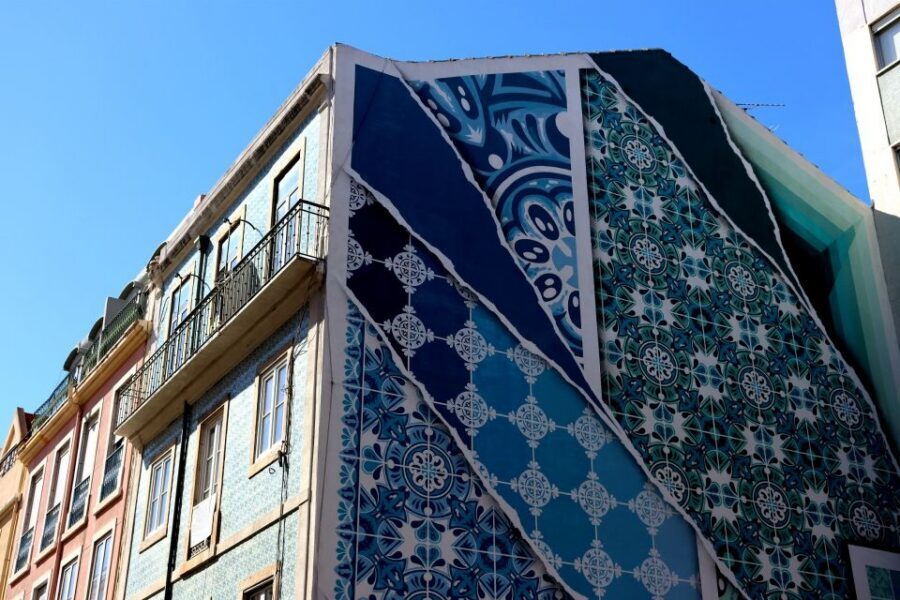
This is a street art walking tour, so the art is the star. You’ll move along routes where you can see works connected to artists such as Vhils, Nomen, Odeith, and Gonçalo Mar. Seeing artists named like this changes your viewing. Instead of guessing at meaning, you get a framework for what you’re looking at.
What I like here is that the tour doesn’t treat murals like random decoration. The commentary connects the artwork to wider themes—life in the city, and the political and social angles that often come with street art. That kind of context makes the walls feel less anonymous.
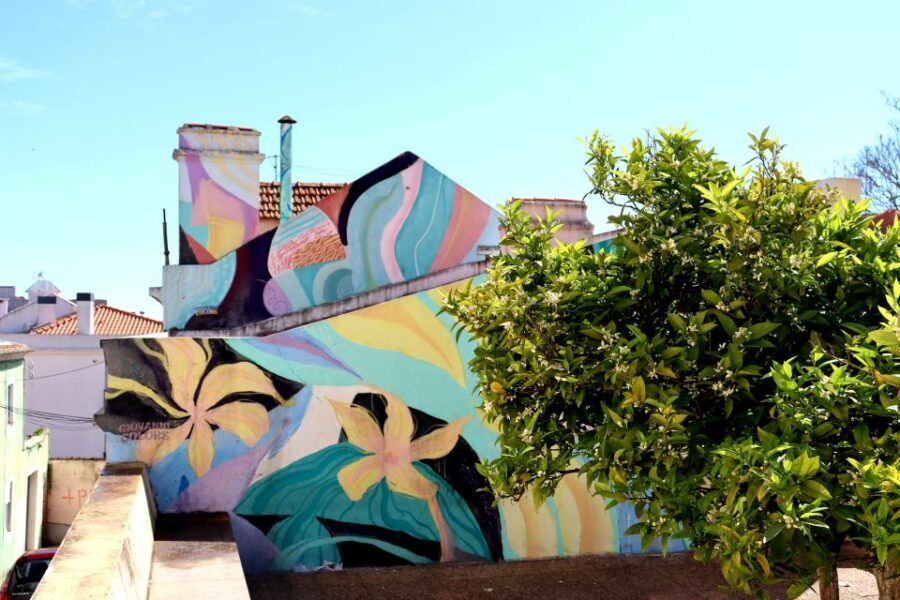
You’ll also likely notice how styles and techniques sit side-by-side across the route—local voices rubbing shoulders with international ones. That gives you a fast education in how global urban art trends show up in Lisbon, without erasing Portuguese character.
If you’re coming with zero street art knowledge, you’re still fine. The tour is structured to explain the why behind the what. If you already love this scene, you’ll probably enjoy how the guide points out details you might miss if you were just walking and snapping photos.
Eastward to More Lookouts: Miradouro Portas do Sol
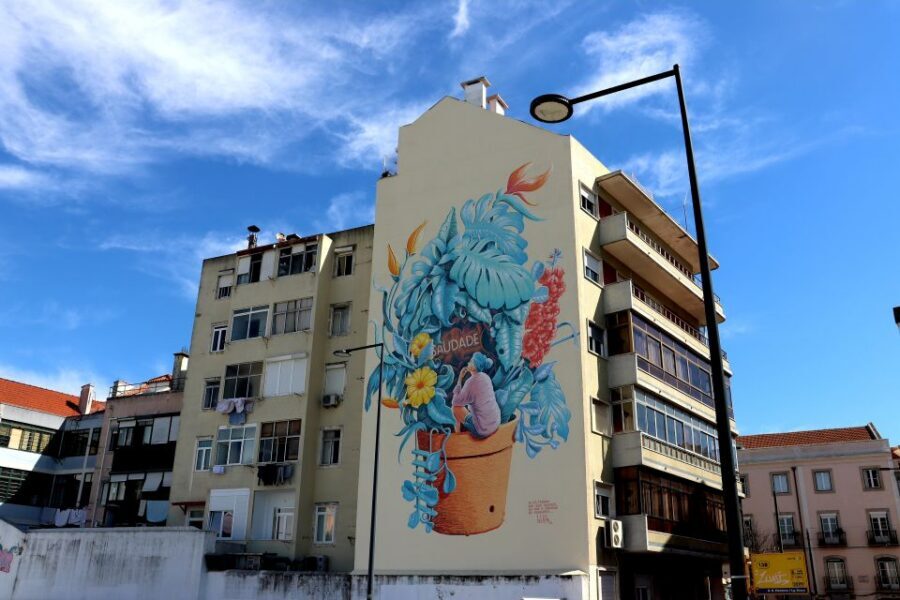
Once you’ve gotten the Graça viewpoint and street art context going, the tour moves toward the east side of the city for more lookout spots, including Miradouro Portas do Sol. This is the kind of stop that helps you recharge your attention. The view gives your eyes a break, then you return to the streets with a cleaner sense of direction.
Miradouro Portas do Sol is a classic Lisbon viewpoint, and that’s exactly why it works in this tour. You get a known panoramic angle, but you experience it as part of a walking narrative rather than a standalone photo stop.
The pacing also matters. The tour is 3 hours long, and it’s limited to small groups (up to 8). That means you spend less time waiting and more time actually moving through the neighborhoods and seeing the city from both above and at street level.
São Jorge Castle: Cultural Heritage Without Getting Stuck in a Museum Mood
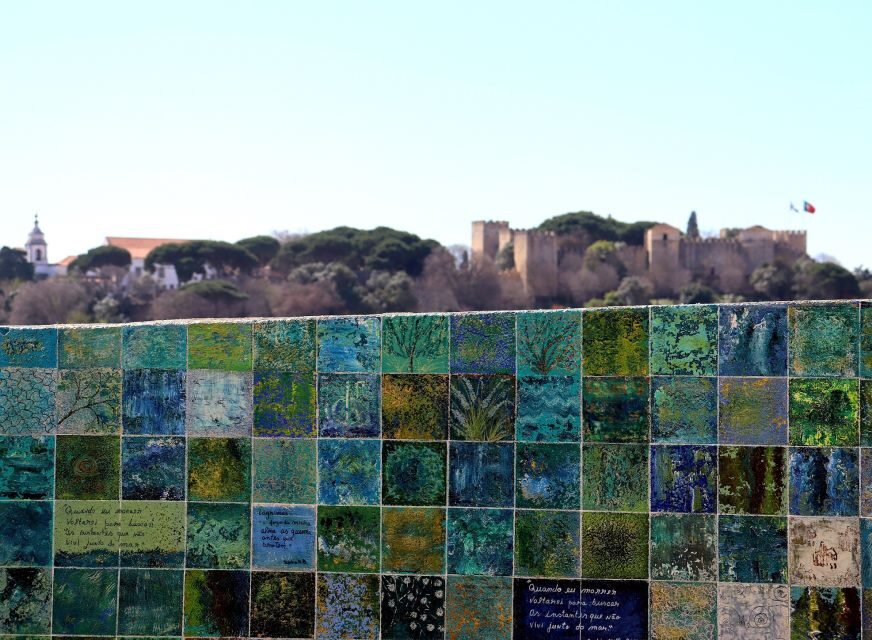
The itinerary includes a stop with São Jorge Castle, tied to cultural heritage. The key is that this isn’t presented as a full castle day. It’s a context moment—big enough to matter, but not so long that you lose the thread of street art.
Why it’s valuable: when you understand the historical weight around a place, modern art often lands differently. Street art tends to react to power, identity, and change. A site like São Jorge adds a backdrop for those themes, even if you only experience a small slice of the castle area during the walk.
Expect the guide to help connect the dots. You’ll hear more about how Lisbon’s cultural inheritance shapes what people choose to write, paint, and claim on city walls.
This also helps if you’re with someone who thinks street art is just graffiti. Tie it to cultural heritage and suddenly it feels like part of the same story as old streets and old stones.
You can also read our reviews of more historical tours in Lisbon





Alfama and Mouraria: Off the Main Route, Into Real Neighborhood Texture
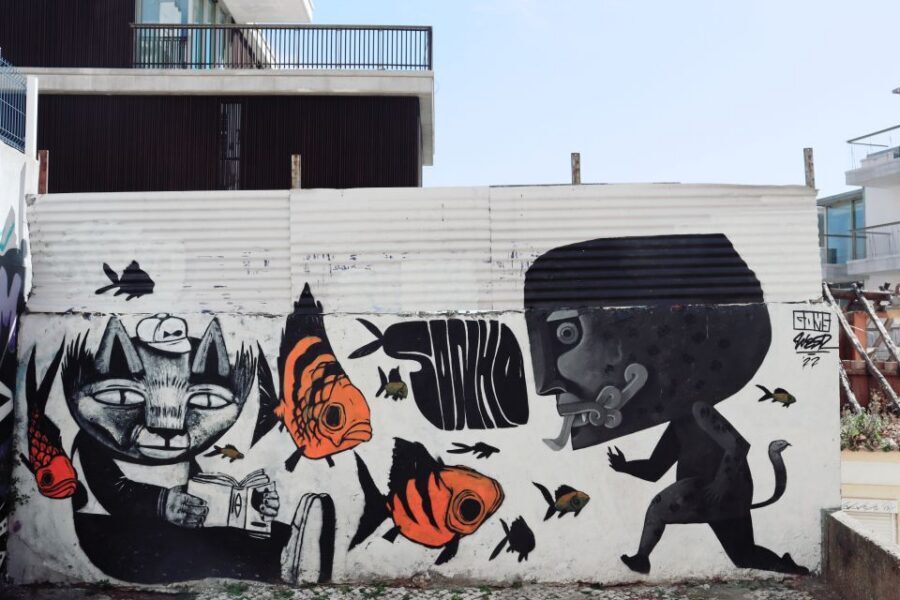
From the lookouts and landmark context, the tour starts to feel more like a neighborhood walk—especially as you head toward Alfama and Mouraria. These areas are known for their character, and this route aims to go off the beaten path to find the kinds of details that don’t show up on the fastest sightseeing loops.
The benefit isn’t only the street art. It’s the human scale. You’re learning about life in Lisbon—what to see and do, and how the neighborhoods work as places people actually inhabit. That kind of guidance is the difference between seeing Lisbon and understanding it.
Both Alfama and Mouraria have a reputation for being layered, and this tour leans into that. You’ll likely notice how streets tighten, views shift, and walls vary from block to block. That variation makes the street art feel earned. It’s not “one mural and done.” It’s a route full of messages.
There’s also something reassuring here: the tour includes safety-focused guidance while walking through city streets—traffic awareness, attention to sidewalk cracks, and watching for protruding tiles. Lisbon is gorgeous, but it’s still a city.
How the Guide Makes or Breaks This Walk
This tour is designed around a licensed local guide (English). The commentary is the engine. When it’s done well, you start reading the city like a book: not just what’s painted, but what’s being argued, and why.
In the reviews tied to this experience, guides named Rui, Andre, and Ciara show up as examples of the people leading this kind of route. Different personalities, same structure: art first, then meaning; viewpoints for orientation; and neighborhood life in the background.
What stands out from those accounts is how guides handle pacing and safety—especially in areas where the ground changes underfoot. That matters because a street art tour can tempt you to stop too often for photos. The good guides keep the group moving while still giving you time to look.
And in a small group, you get more of that back-and-forth. If you ask a question, you’re less likely to get steamrolled by the next person’s curiosity.
Small Group Size: Why Up to 8 People Is the Right Number
A small group limited to 8 participants changes how the tour feels. You’ll hear the guide better. You’ll move at a human pace. You won’t spend half the 3 hours playing the back-of-the-pack game.
It also makes the art viewing more practical. Street art isn’t always on a wide sidewalk where everyone can line up. With fewer people, you can actually stop and look without blocking the path.
This matters even more on a hill-heavy route. If one person is slow, a bigger group gets messy fast. Here, the format helps keep everything smoother.
Price and Value: Is $35 Worth 3 Hours of Streets?
At $35 per person for a 3-hour tour, this is fairly priced for a guided, small-group walking experience. The price includes the guide plus local taxes and fees.
Where the value really shows up is in the mix:
- Street art with named artists and context
- Two viewpoint moments for Lisbon orientation
- A cultural heritage stop at São Jorge Castle
- Neighborhood exploration beyond the main tourist lanes
You’re not paying for a long bus ride. You’re paying for a focused route with expert interpretation. And since it’s only 3 hours, it’s easier to fit into a busy Lisbon schedule without feeling like you’ve committed your whole day.
What you do need to plan for: meals and drinks are not included. Also, hotel pickup and drop-off are not included. That’s normal for walking tours, but it does mean you should factor in your own transit or walking time to the start at Miradouro da Graça.
Who This Tour Suits Best (And Who Should Skip It)
I’d put this tour at the top of the list if you like any combination of:
- street art and graffiti culture with real context
- history and politics tied to what you see on walls
- viewpoint stops that help you navigate Lisbon’s geography
- small-group walking that doesn’t feel like a production line
You might also enjoy it even if you think you’re not a street art person. The cultural heritage framing and neighborhood life commentary can pull you in.
Skip it if you need step-free routes or have limited mobility. The tour is explicitly not suitable for people with mobility impairments, and the streets here are the kind that punish wrong footwear and slow pacing.
Practical Tips Before You Go
- Wear comfortable walking shoes with grip.
- Bring water if you tend to get thirsty on long walks, even though meals and drinks aren’t included.
- Plan to move at a steady walking pace. This tour is not designed for long museum-style stops.
- If you care about photos, keep your camera ready but also give the guide your eyes. The meaning often comes from what the guide points out as you pass.
One more small thought: Lisbon street art changes. Some pieces last, some don’t. That’s part of the scene. This tour’s value is the context you take with you, not just the single photo you end up with.
Should You Book This Lisbon Street Art and Historical Walking Tour?
Yes, book it if you want street art with context and you like your sightseeing grounded in neighborhoods. The $35 price feels fair for a 3-hour walk with a licensed English-speaking guide, small group size, and multiple anchor points: Miradouro da Graça, Miradouro Portas do Sol, and a São Jorge Castle heritage stop.
You should think twice if you hate uneven walking or if your schedule allows only very low-movement activities. Also, if you want food as part of the experience, plan your own meal because meals and drinks are not included.
If you’re curious about how artists talk back to a city, and you want Lisbon’s views without only chasing the usual postcard stops, this tour is a very solid choice.
FAQ
How long is the tour?
The tour lasts 3 hours.
Where does the tour meet?
Meet by the church at Miradouro Sophia de Mello Breyner Andresen, also known as Miradouro da Graça. The address is Calçada da Graça, 1100-265 Lisboa, Portugal.
What neighborhoods are included?
The tour focuses on Graça, Mouraria, and Alfama.
What street art can I expect to see?
You’ll visit areas with street art works by local and international urban artists, including artists such as Vhils, Nomen, Odeith, and Gonçalo Mar.
What is included in the price?
The price includes the guide and local taxes and fees.
What is not included?
Meals and drinks are not included, and there is no hotel pickup or drop-off.
What languages are available for the tour?
The tour guide provides the tour in English.
Is this tour suitable for people with mobility impairments?
No. The tour is not suitable for people with mobility impairments.