REVIEW · LISBON
Lisbon Wine and Food: Private Walking Tour
Book on GetYourGuide →Operated by LISBOA AUTÊNTICA LDA · Bookable on GetYourGuide
Four sips, three districts, one smart evening. This private walking tour mixes wine education with real tavern atmosphere, all while you move through classic Lisbon neighborhoods that feel like they were built for an unhurried stroll. You’ll sample multiple Portuguese wines, plus Queijo da Ilha and chouriço, with a specialist guiding you through what you’re drinking.
I especially liked the pairing of excellent guides with well-chosen stops. Guides such as Jorge and Andrea are praised for taking time, explaining Portuguese wine and growing regions clearly, and adding context about Lisbon’s districts as you walk.
One consideration: plan for a three-hour walk on uneven, hilly streets. This is not suitable for people with mobility impairments, and it’s not for kids under 18.
In This Review
- Key points worth planning for
- Starting at São Pedro de Alcântara: the viewpoint that sets the mood
- Bairro Alto, Chiado, Baixa: why the route feels like Lisbon
- Four wine tastings in Lisbon taverns: what that means for your palate
- The tasting-food combo: Queijo da Ilha and chouriço
- Queijo da Ilha: Açores cheese as a tasting tool
- Chouriço: the sausage bite that teaches you flavor contrast
- Inside the wine lesson: what you’ll actually learn
- What each district feels like during the walk
- Private group value: why the price can make sense
- Practical tips so you enjoy the night more
- Who should book this Lisbon Wine and Food walk
- Should you book it?
- FAQ
- How long is the Lisbon Wine and Food private walking tour?
- How many wine tastings are included?
- What food is included with the tastings?
- Where does the tour start?
- Is this tour private or shared?
- What languages are the live guides available in?
- Is the tour suitable for children?
- Is it accessible for people with mobility impairments?
Key points worth planning for
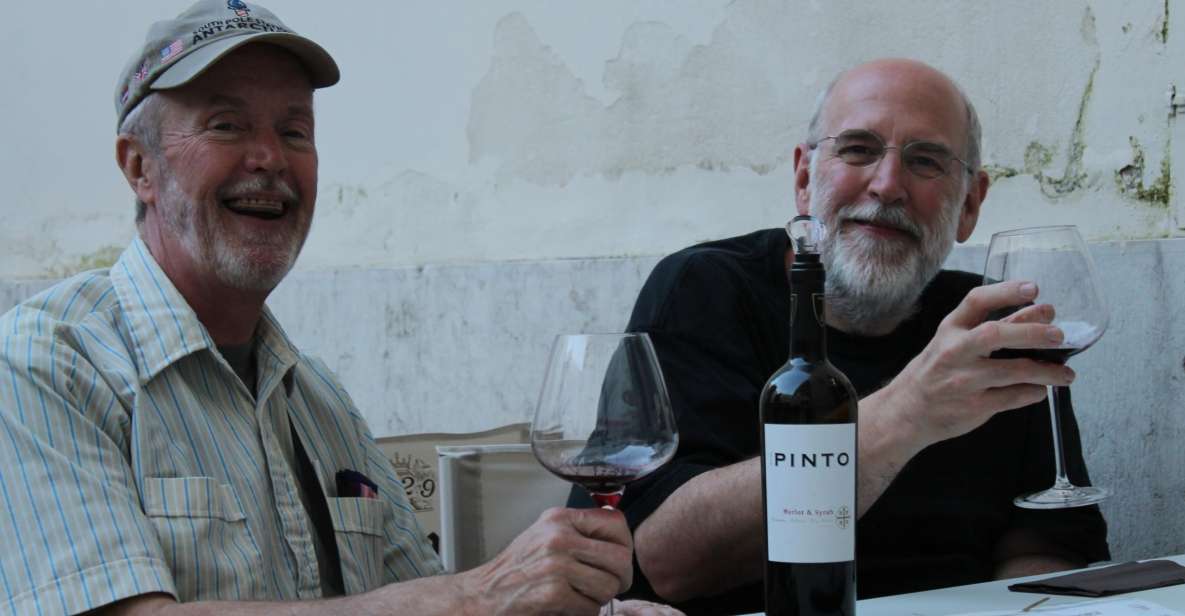
- Four tastings in hospitable taverns, including a mix of modern spots and traditional establishments.
- Queijo da Ilha from the Açores plus chouriço, so the food actually helps you taste the wines.
- Bairro Alto, Chiado, and Baixa on foot, giving you neighborhood-level Lisbon rather than a quick drive-by.
- A wine specialist guide who explains Portuguese wine traditions, not just what to sip.
- A private group pace, which makes it easier to ask questions and linger when something clicks.
- One tasting in one of Lisbon’s oldest cellars, adding a sense of place to the wine story.
Starting at São Pedro de Alcântara: the viewpoint that sets the mood
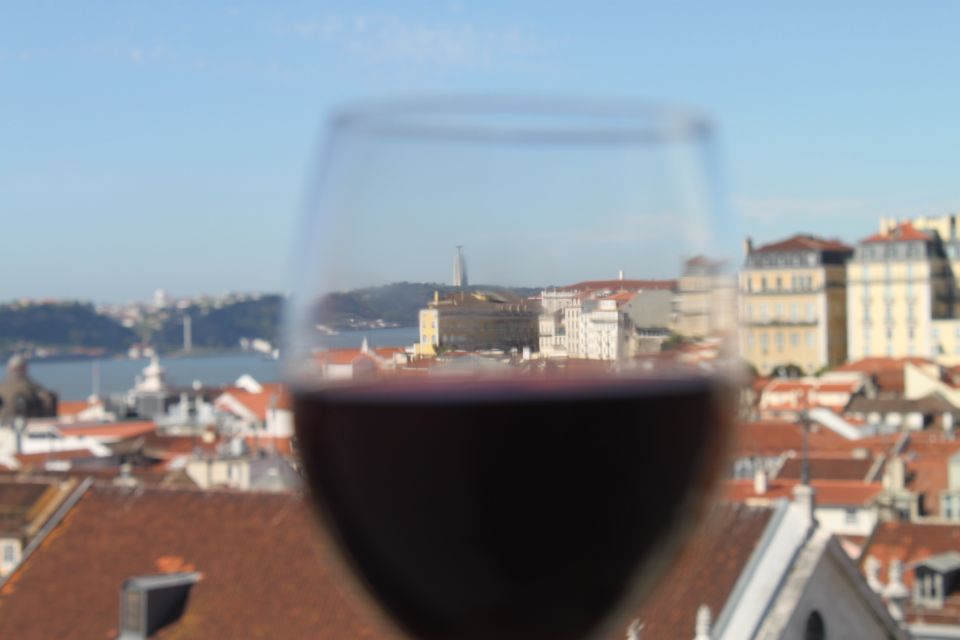
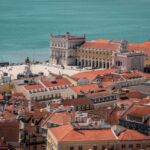
Your tour begins at the central fountain by Miradouro São Pedro de Alcântara in Bairro Alto. This matters more than it sounds. Before you taste anything, you get oriented with Lisbon’s hills and rooftops, which makes the rest of the evening feel like a guided walk through layers of the city.
Then you transition from viewpoint energy into street-level Lisbon. You’ll head into old neighborhoods where the vibe changes block by block, and the walk itself becomes part of the lesson. It’s an easy way to feel like you’re joining local routine rather than performing a checklist.
Bring comfortable clothes. You’ll be on your feet for the full length of the tour, and the streets can be uneven, especially when you’re moving between districts.
You can also read our reviews of more walking tours in Lisbon



Bairro Alto, Chiado, Baixa: why the route feels like Lisbon
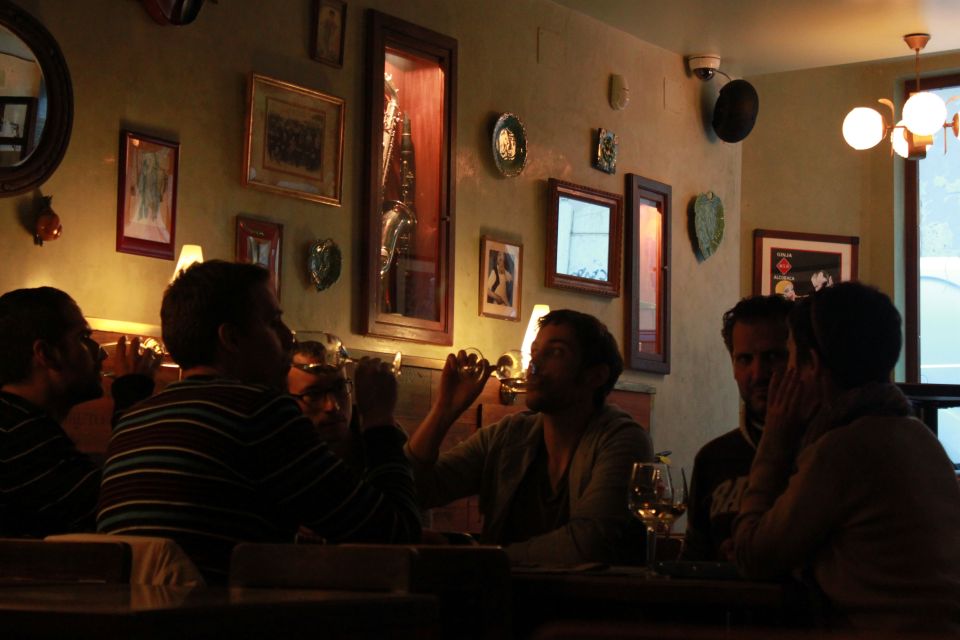
The route strings together Bairro Alto, Chiado, and Baixa—three districts that each tell a different part of Lisbon’s story. You’re not just walking through streets; you’re moving through changing moods.
In Bairro Alto, the streets tend to feel more lived-in and evening-ready. That’s a good match for the first phase of tasting, because you’ll settle into taverns with a more local, social rhythm. It’s also where Lisbon’s character shows up fast: narrow streets, lots of street life, and a steady flow of people headed somewhere.
Chiado is your transition point into a slightly more classic, refined feel. This is where a wine-and-food tour can work especially well, because you’re likely to slow your pace, taste more deliberately, and let your guide connect what you’re tasting with Lisbon’s wider culture.
Then comes Baixa, the more central, more structured district. It’s a satisfying ending zone because it feels like the city’s heart—easy to orient yourself afterward, and a good place for last sips and wrap-up conversation.
Four wine tastings in Lisbon taverns: what that means for your palate
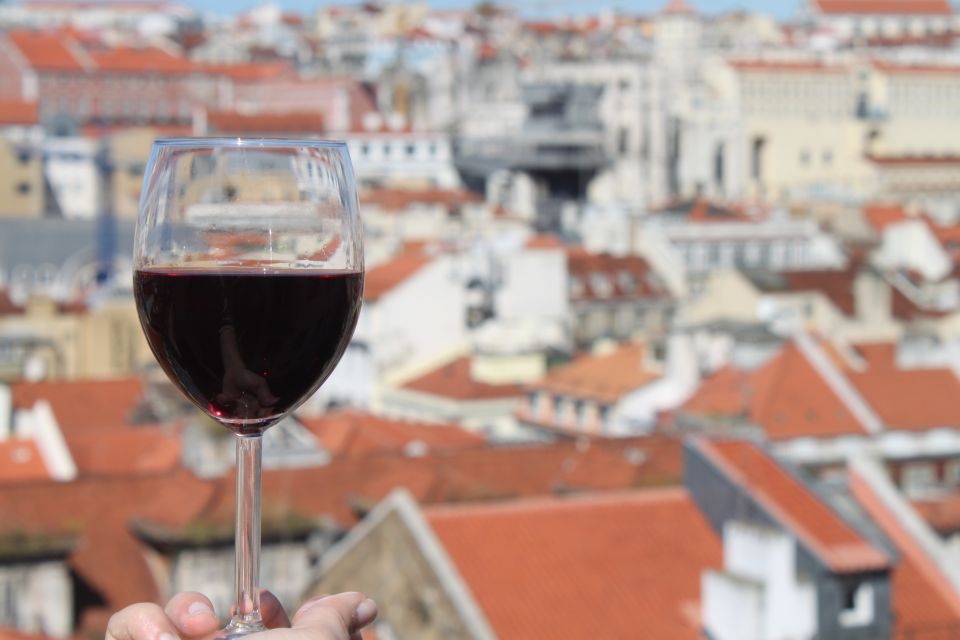
You’ll stop for 4 wine tastings across the evening. That number is the sweet spot for learning without turning the tour into a blur. With four tastings in about three hours, you can compare flavors, notice acidity versus weight, and start making sense of Portuguese wine style.
Just as important, you’re tasting in a range of venues: some modern, some traditional, and one stop in one of Lisbon’s oldest cellars. That gives you two kinds of value at once. You get the wine in different settings, and you also feel how Portugal’s wine culture sits comfortably in both old infrastructure and newer food-and-drink life.
In practical terms, you’ll want to pace yourself. Don’t worry about perfect tasting notes. Your real job is to pay attention to how each pour behaves with the next bite—cheese with one wine, sausage with another, and so on. That’s where the tour’s food pairing actually earns its place.
The tasting-food combo: Queijo da Ilha and chouriço
Food is included for a reason, and it shows up in two specific items: Queijo da Ilha and chouriço.
Queijo da Ilha: Açores cheese as a tasting tool
Queijo da Ilha comes from the islands of the Açores, and it’s included as a separate tasting. Even if you’ve had Portuguese cheese before, the Açores origin makes it interesting because it reminds you that Portugal’s food map isn’t only mainland grape and coastal cooking. It’s an island story too.
With cheese like this, you’ll get a chance to taste how certain wines respond to dairy richness and texture. This is one of the easiest ways to learn on the fly: your mouth signals what the wine is doing.
You can also read our reviews of more food & drink experiences in Lisbon






Chouriço: the sausage bite that teaches you flavor contrast
Then there’s chouriço, a Portuguese sausage tasting included on the tour. Sausage changes everything because it brings salt, fat, and sometimes heat. That means your guide can help you connect wine structure—like how it balances with richer or more assertive flavors.
If you tend to find wine hard to describe, sausage pairings can make it simpler. You’ll feel differences faster because the food is doing a lot of the work.
Inside the wine lesson: what you’ll actually learn
This tour is built around more than sips. Your guide is there to explain Portuguese wines and wine traditions in a way that stays practical while you walk and taste.
Based on what guides like Jorge are praised for, expect explanations that cover Portuguese wine regions and what makes them behave differently in the glass. That’s a big deal because Portugal isn’t one uniform wine style. The country’s geography and traditions show up in the balance, the aromatics, and the finish you’ll notice between tastings.
Also, don’t be surprised if you get city context tied into the wine talk. One standout theme in the feedback is guides connecting Lisbon’s neighborhood development to the bigger picture of Portuguese life. It’s not random chatter. It helps you understand why wine culture is so woven into everyday eating and gathering.
And because this is a private group, you can ask follow-up questions when something clicks—or when you’re totally lost. A good guide will adjust. The tour’s format makes that possible.
What each district feels like during the walk
Even without formal “minutes and steps,” you can expect the evening to follow a natural flow: you start with orientation, settle into tasting stops as the street scene changes, and finish with a calmer wrap-up feeling as you reach the more central district.
Here’s how it usually plays in your head as you go:
- Before tastings: you get bearings near the viewpoint and start descending into the neighborhoods.
- First tastings: your guide sets the tasting framework, so you know what to look for.
- Middle stops: you compare what you learned to new venues and new flavors, with food pairings doing their part.
- Old cellar moment: you’ll likely notice the setting shift more than you expect. Old cellars add context fast, especially when you’re hearing how tradition shapes wine culture.
- Final portion: you wind down into the last pours, usually with more casual conversation and practical tips for what to try on your own.
That rhythm is a big reason this kind of tour works well for first-timers. You’re not forced to sprint between spots, but you’re also not sitting in one place for hours.
Private group value: why the price can make sense
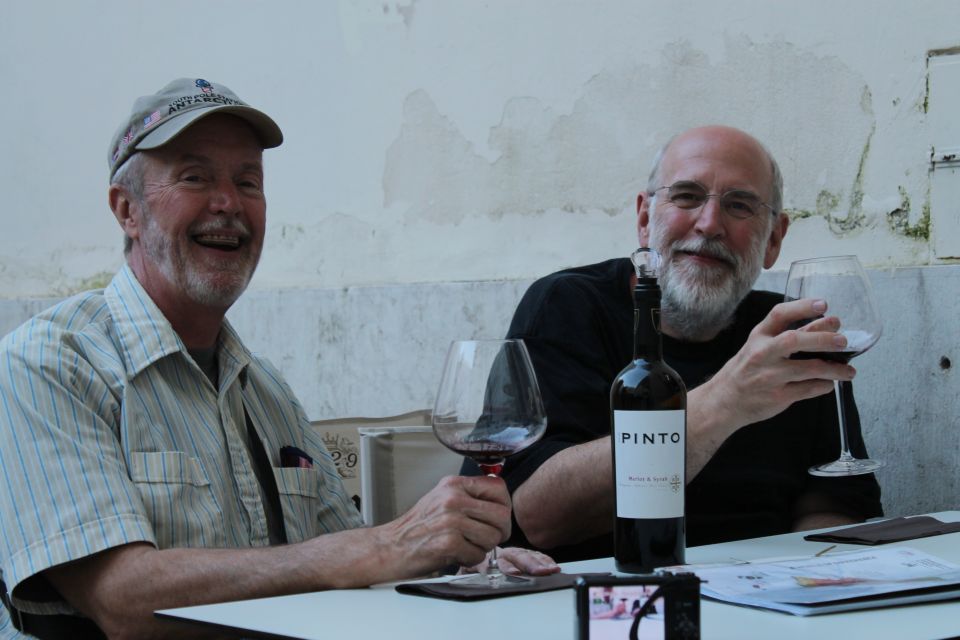
At $100 per person for a 3-hour tour, the biggest question is simple: do you get enough value to justify the cost?
You’re paying for three things:
- Four tastings (not just one small sample).
- Included pairings like Queijo da Ilha and chouriço, which add real learning value.
- A specialist guide’s time, including wine-region explanations and neighborhood context.
When you put those together, the price starts to look more like a guided lesson plus a tasting dinner than a generic bar crawl. Also, the private group format matters. You’re less likely to feel rushed, and the guide can respond to your questions in the moment.
The tour is also timed like an evening activity. That can be a big advantage in Lisbon, where the best wine spots and food spots often shine when the city is actually awake. This gives you a structured way to enjoy that atmosphere without guessing.
Practical tips so you enjoy the night more
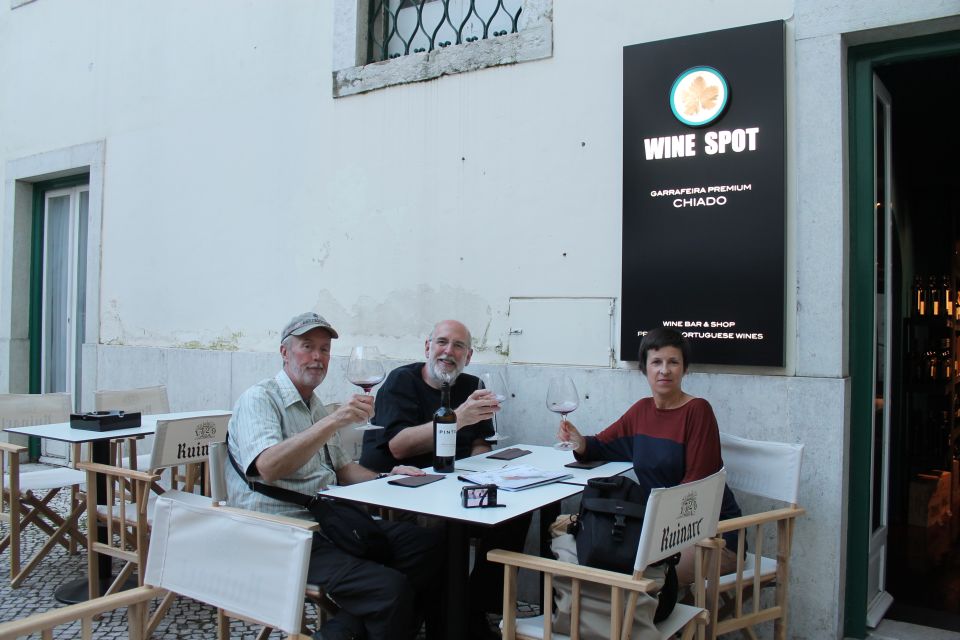
This kind of tour works best when you plan for comfort and attention.
- Wear comfortable shoes. Lisbon sidewalks aren’t always smooth, and you’ll walk between districts.
- Keep your phone handy for photos, but don’t let it steal your tasting focus. The best learning happens when you slow down.
- Pace your sips. Four tastings over three hours is plenty to taste and compare without needing a hard reset.
- If you’re curious about wine styles, ask early. The guide’s explanations tend to make more sense once you connect them to the first couple pours.
And one more thing: come hungry enough for cheese and sausage pairings to feel satisfying, but not so stuffed that you can’t taste the wine.
Who should book this Lisbon Wine and Food walk
This tour is a great fit if you want a guided wine introduction with Lisbon street atmosphere. It’s especially good for people who:
- Like learning as they travel, not just collecting landmarks.
- Enjoy food and want pairings that actually help you taste differences.
- Want a smarter evening in Bairro Alto, Chiado, and Baixa instead of spending it searching solo.
- Prefer a private group pace so conversation stays natural.
It’s not the right choice if you have mobility impairments, and it’s not suitable for children under 18.
If you’re traveling in a small group and want a planned start to an evening that still feels local, this checks a lot of boxes.
Should you book it?
I’d book this tour if your goal is to understand Portuguese wine in a way that sticks. The combination of four tastings, two included food pairings (Queijo da Ilha and chouriço), and a guide who can explain wine regions and traditions while also talking about Lisbon’s districts makes it feel like more than a sip-and-walk.
You should also book it if you like the idea of tasting in real tavern settings, including a stop connected to an old cellar tradition, and you want the route to do some of the work of showing you the city.
Skip it only if the walking length is a dealbreaker for you, or if you’re not interested in wine explanations and pairings.
FAQ
How long is the Lisbon Wine and Food private walking tour?
The tour lasts about 3 hours.
How many wine tastings are included?
You’ll have 4 different Portuguese wine tastings during the walk.
What food is included with the tastings?
The tour includes a tasting of Queijo da Ilha (from the Açores) and a chouriço (Portuguese sausage) tasting.
Where does the tour start?
Meet at the central fountain at Miradouro São Pedro de Alcântara in Bairro Alto, Lisbon.
Is this tour private or shared?
It’s a private group.
What languages are the live guides available in?
The tour offers a live guide in Spanish, English, Russian, German, and Portuguese.
Is the tour suitable for children?
No. It’s not suitable for children under 18.
Is it accessible for people with mobility impairments?
No. It’s not suitable for people with mobility impairments.