REVIEW · LISBON
Walking tour: Lisbon in the Shadows of World War II
Book on GetYourGuide →Operated by Guide Leonor Abrantes · Bookable on GetYourGuide
Lisbon during World War II is still in the sidewalks. This 3-hour walking tour turns familiar streets into a story about refugees, espionage, and Portugal’s tense neutrality under Salazar. If you like history that feels human (not just dates), this route makes the late 1930s and 1940s click fast.
I especially like the way Leonor Abrantes brings the subject to life with extra materials, not just a stream of facts. And I like that the tour includes a real sensory shift: you move from viewpoints to central Lisbon streets and even into historic coffee stops where war news would have traveled with equal parts hope and fear. One thing to consider: this is a steady walking tour, and it’s listed as not suitable for people with mobility impairments even though wheelchair access is also marked, so it’s smart to check directly.
In This Review
- Key Things That Make This Tour Worth Your Time
- Lisbon’s Wartime Neutrality, Seen Through Human Stories
- Meeting at Praça Marquês de Pombal: Where the Tour Starts in Modern Lisbon
- Parque Eduardo VII Photo Stop: How the View Helps You Understand the Stakes
- Avenida da Liberdade: Neutrality Meets Power and Surveillance
- Restauradores Square and Baixa: Where Refugee Waiting Becomes a Street-Level Story
- Chiado and Praça Dom Pedro IV: Cafes, News, and the People Who Wandered In
- From City Squares to Cais do Sodré: Ending at the River and Keeping the Story Going
- Price, Group Size, and Real Value for $170
- Who This Tour Fits Best (and Who Should Think Twice)
- Should You Book Lisbon in the Shadows of World War II?
- FAQ
- FAQ
- How long is the Walking tour Lisbon in the Shadows of World War II?
- What does the tour cost?
- Where do I meet the guide?
- Where does the tour end?
- What languages are the guides available in?
- Is the tour offered rain or shine?
- Are food and drinks included?
- What is the cancellation policy?
- Is it wheelchair accessible?
Key Things That Make This Tour Worth Your Time
- Refugees as the main character: Portugal’s neutrality created a “waiting room” for people trying to get visas out.
- Espionage on everyday streets: British, German, and American spies move through Lisbon while the Portuguese political police watch.
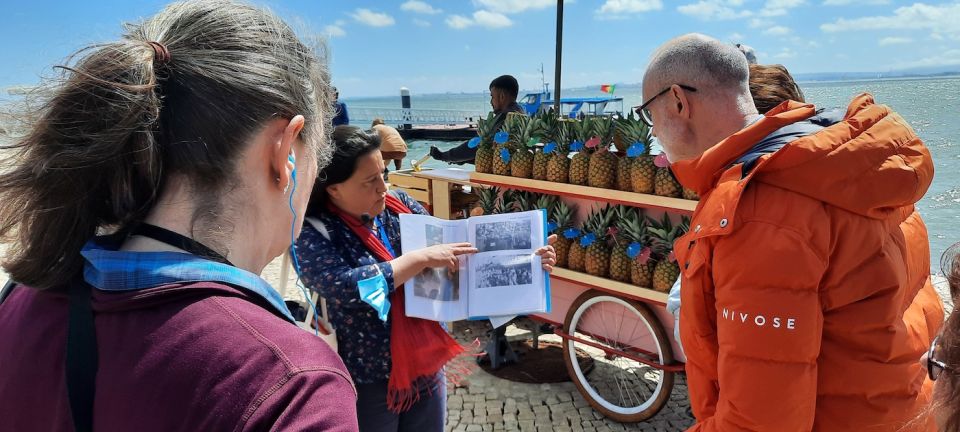
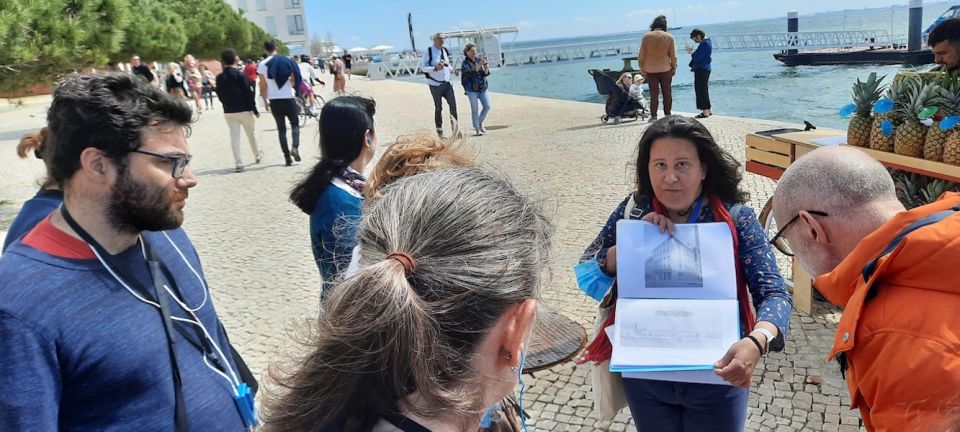
- A guide who shows receipts: Leonor Abrantes comes prepared with supplemental materials.
- War anxiety made visible: the threat of an Axis invasion shaped how the city protected important monuments.
- You end near the river: finishing at Cais do Sodré helps you keep the story going with an easy snack stop at Time Out Market.
Lisbon’s Wartime Neutrality, Seen Through Human Stories
Lisbon in the 1940s wasn’t a calm postcard. Under the dictatorship of António Oliveira Salazar, Portugal stayed officially neutral, but the city became a crossroads for people fleeing Nazi persecution and the wider machinery of war. You can almost feel the friction between two ideas: safety for some, limbo for many.
What makes the tour so satisfying is that it doesn’t treat the war like a distant movie. It focuses on the mechanics of survival—waiting for visas, finding a bed, passing through one more checkpoint, hoping your name makes it onto the right list. Then, right alongside that, you hear about the darker side: international espionage threading through the same streets.
That mix is the point. Lisbon becomes both a refuge and a stage. And once you see that pattern, the city’s modern look doesn’t erase the past—it frames it.
You can also read our reviews of more walking tours in Lisbon
Meeting at Praça Marquês de Pombal: Where the Tour Starts in Modern Lisbon
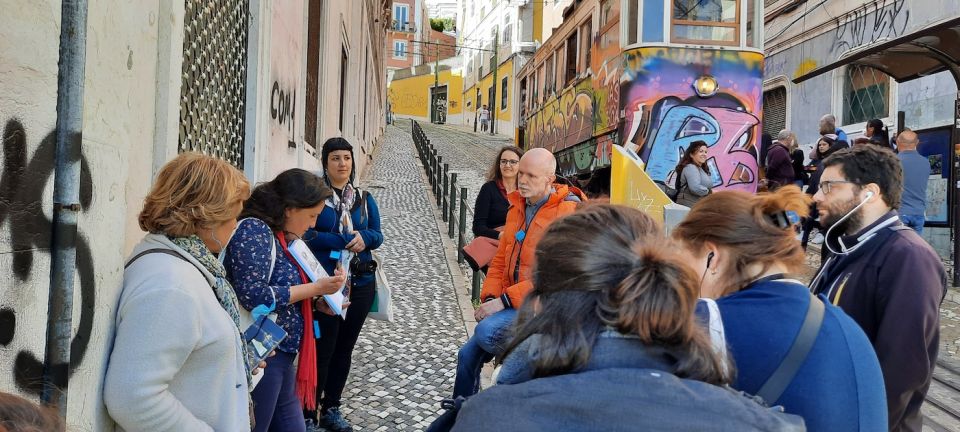
The walk begins at Praça Marquês de Pombal, in front of Café A Padaria Portuguesa (Praça Marquês de Pombal 12). This start matters because it places you where Lisbon’s energy feels current and everyday. You’re not starting in a museum. You’re starting in the part of town people still use to get where they need to go.
That’s useful for the tour’s theme. In WWII Lisbon, spies and refugees didn’t live only in “secret places.” They lived in pensions, in neighborhoods, in cafes—where people chatted, traded rumors, and watched who was watching. Starting amid normal city life helps you understand how war pressure could seep into ordinary conversation.
Also, the group size is kept small. The activity is listed as small groups (up to 12) and private group, which usually means you can ask questions and you’re less likely to get lost in the shuffle.
Parque Eduardo VII Photo Stop: How the View Helps You Understand the Stakes
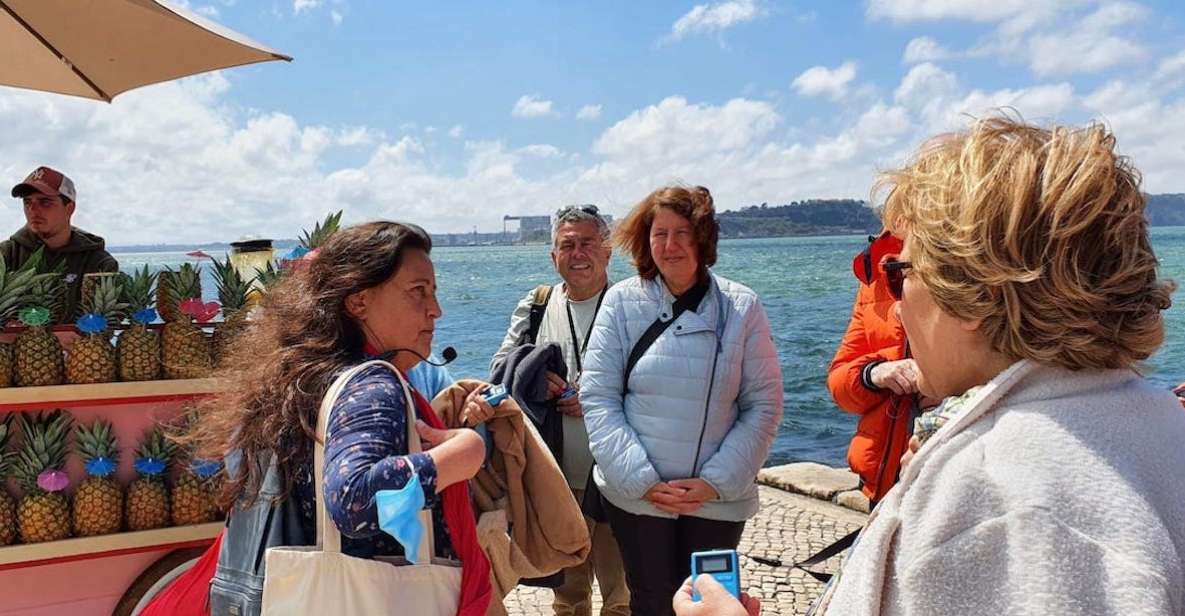
Next comes Parque Eduardo VII for a short photo stop and guided time. Even if you’ve been in Lisbon before, this is the kind of spot that helps your brain think in terms of vantage and visibility. In a city where hills and viewpoints shape what you can see, the war isn’t just a timeline—it becomes geometry.
The tour uses that logic to connect Lisbon’s planning to real threats. The information you’ll hear includes the city’s worry about possible bombings and an Axis invasion. That fear wasn’t abstract. It led to preparation, including attention to protecting important monuments and buildings.
So when you look out from the park, you’re not just collecting photos. You’re being asked to imagine how leaders and residents assessed risk—who could see what, where attention would land, and why certain areas mattered.
Avenida da Liberdade: Neutrality Meets Power and Surveillance
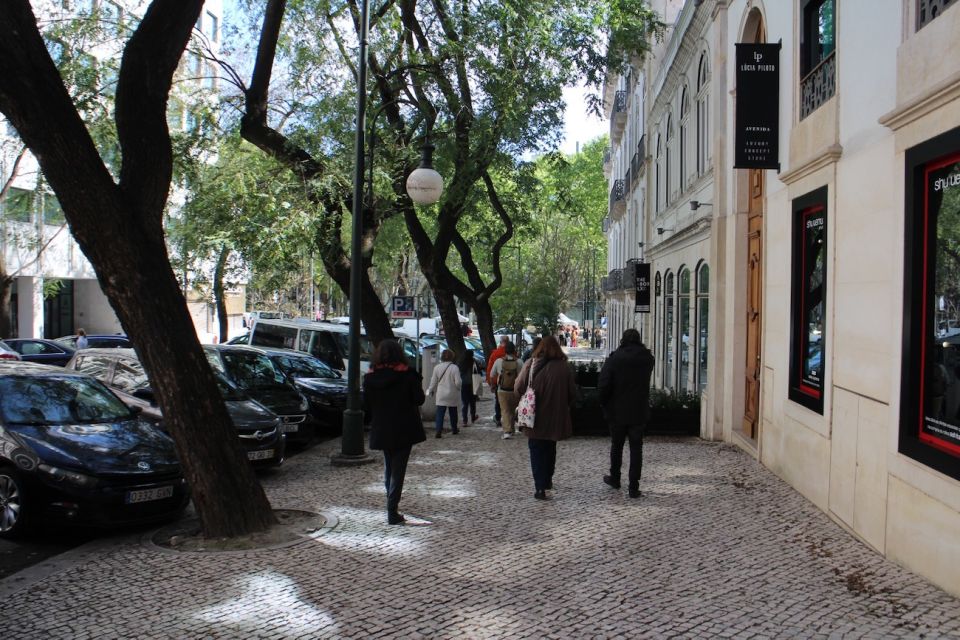
From there you walk along Avenida da Liberdade, with guided time built into the route. This is where the tour’s “two Lisbons” idea really takes hold: the city that wants to look stable and open, and the city that still has to manage watchers, informants, and shifting loyalties.
Here’s one of the tour’s strengths: it explains Lisbon’s role under neutrality without pretending neutrality meant peace. Portugal wasn’t just staying out of the war. It was staying in control—while other nations pressed for influence.
You’ll learn how the Portuguese political police kept an eye on activities, including spy movement. You’ll also hear about how British, German, and American intelligence efforts played out across the city. It’s a useful reminder that espionage isn’t always dramatic. Sometimes it’s procedural: meetings, paperwork, and watching behavior.
Even if you’ve never cared about spycraft before, the tour makes it feel practical. You start noticing patterns in your surroundings—who seems out of place, how people might choose where to sit and linger, and why cafes could matter.
Restauradores Square and Baixa: Where Refugee Waiting Becomes a Street-Level Story
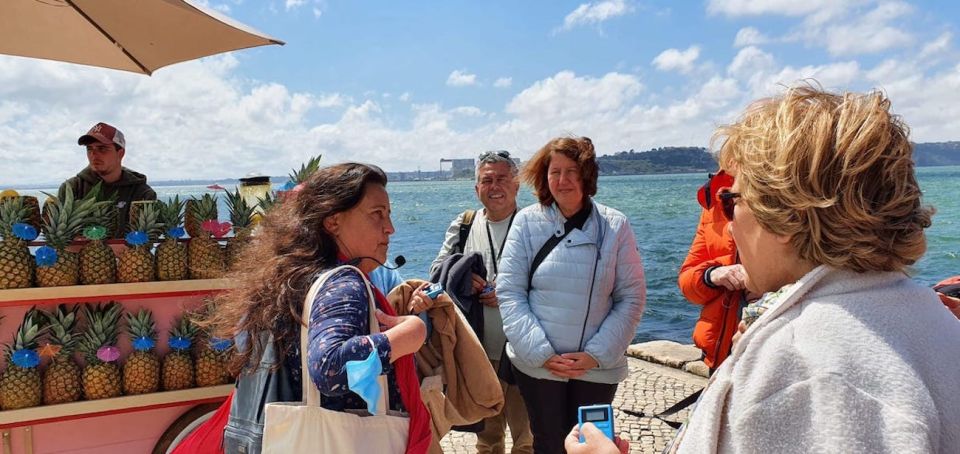
The route continues through Restauradores Square, then into Baixa de Lisboa, with guided time at each stop. This is the part of the walk where Lisbon feels most like the classic center: streets that connect, foot traffic that never truly stops, and lots of places for conversation.
That’s perfect for the tour’s refugee thread. Lisbon became a haven for people escaping Nazi persecution, but haven doesn’t mean immediate safety or instant freedom. The tour frames it as a waiting room: people arrived hoping for visas to depart war-torn Europe, and they had to manage uncertainty day by day.
At this stage, you get the sense that Lisbon’s role was not only humanitarian. It was logistical. People needed documents. Aid organizations provided some help. Pensions offered beds. And the whole system created a rhythm: arrivals, interviews, delays, departures—plus constant tension about who would be next.
It’s also where you learn why espionage and refugees could mingle. When so many outsiders are in one place, everyone becomes more noticeable—and everyone can be a source of information or leverage.


Chiado and Praça Dom Pedro IV: Cafes, News, and the People Who Wandered In
Then you head into Chiado and later Praça Dom Pedro IV. These stops help you understand Lisbon as a meeting point for stories—especially because the tour includes time around historic cafes, not just street corners.
You’ll visit or talk through famous places such as Café Chave d’Ouro and Pastelaria Suiça. The tour’s point isn’t to romanticize the cafe tables. It’s to show how war news could create both excitement and trepidation. In a city under pressure, conversation becomes a kind of currency.
The tour also brings in the human shock factor: notable people passed through Lisbon in that era. You’ll hear about Josephine Baker, Alfred Döblin, and actor-director Leslie Howard, among others. Their impressions of Lisbon and Portuguese life add an outside perspective that can be genuinely unsettling. It’s a reminder that Lisbon wasn’t invisible to the world—it was part of what everyone was trying to decode.
And here’s a practical takeaway I love: when you understand that the city hosted both refugees and spies, you stop thinking of WWII as only fighting and uniforms. It becomes paperwork, rumors, and strangers taking cautious steps in daylight.
From City Squares to Cais do Sodré: Ending at the River and Keeping the Story Going
The walk finishes at Cais do Sodré, near the river. Ending near water is smart for this theme. A riverfront location fits the idea of departure routes, crossings, and the sense that Lisbon was always connected to getting out—by sea, by plan, by hope.
You’ll also finish within walking distance of Time Out Market, so it’s easy to grab a snack or light meal and let the last hour settle in. This matters because the material can be heavy: refugees, surveillance, and the fear of invasion are not exactly light dinner conversation.
If you want a practical way to process it, do this: after the tour, look at the people around you at Cais do Sodré and notice how quickly crowds become background. The tour trains you to see what you’d otherwise ignore—how the atmosphere changes depending on who’s watching and why.
Price, Group Size, and Real Value for $170
The price is $170 per group up to 6, for a 3-hour guided walk. That pricing model changes everything depending on your travel style.
- If you’re a group of 4 to 6, you’re paying roughly $28–$43 per person, which is quite reasonable for a live guide plus a route that covers multiple central neighborhoods and themed stops.
- If you’re only booking for 1 or 2, the per-person cost jumps. In that case, it can still be worth it if you really want a guided lens on WWII Lisbon and you prefer walking with context instead of doing it solo.
The other value lever is guide quality. The standout praise here isn’t just about being told facts—it’s about being prepared with supplemental materials. That kind of support usually means clearer explanations and a better flow, especially when you’re dealing with political policy, secret-police oversight, and competing national interests.
Also, the tour runs in rain or shine, so you’re not stuck hunting for indoor alternatives if the weather turns.
Who This Tour Fits Best (and Who Should Think Twice)
This tour is ideal if you like history that connects to real places. If you enjoy stories about refugees, international politics, and spy networks—without turning it into a superhero plot—you’ll have a good time.
It’s also great if you like a walk that ends somewhere useful, like Cais do Sodré, where you can keep eating and moving after the tour instead of heading straight back to your hotel.
The main caution is physical. The tour is marked wheelchair accessible, but it is also listed as not suitable for people with mobility impairments. If mobility is a factor for you, ask the provider directly before you book.
Should You Book Lisbon in the Shadows of World War II?
I think it’s a strong choice if you want Lisbon with context. This isn’t a generic “old streets” walk. It’s a story-driven route that explains why Lisbon mattered during WWII: refugees trying to get visas, authorities trying to maintain control, and multiple spy services operating under everyone’s eyes.
Book it if:
- you like human-scale history (waiting, aid, news in cafes)
- you want a guide who comes ready with extra materials
- you’re happy walking around central Lisbon for about 3 hours
Skip it or reconsider if:
- you need a low-walking, low-effort experience
- you’re only interested in medieval landmarks and don’t care about 20th-century politics
FAQ
FAQ
How long is the Walking tour Lisbon in the Shadows of World War II?
The tour lasts 3 hours.
What does the tour cost?
It costs $170 per group, for groups of up to 6.
Where do I meet the guide?
Meet in front of Café A Padaria Portuguesa at Praça Marquês de Pombal 12.
Where does the tour end?
The tour ends at Cais do Sodré.
What languages are the guides available in?
The live tour guide is available in English and German.
Is the tour offered rain or shine?
Yes, it takes place rain or shine.
Are food and drinks included?
No. Food and drinks are not included.
What is the cancellation policy?
You can cancel up to 24 hours in advance for a full refund.
Is it wheelchair accessible?
Wheelchair accessibility is listed, but it is also marked as not suitable for people with mobility impairments, so it’s best to check with the provider if you have mobility needs.