REVIEW · LISBON
From Lisbon: Best of Fátima Half Day Tour
Book on GetYourGuide →Operated by DistrAction Tours Portugal · Bookable on GetYourGuide
Fátima in one focused morning. I love how this small-group half-day trip links Lisbon to the Sanctuary of Our Lady of Fátima and then out to Aljustrel, where the story of the children comes to life. I also love the skip-the-line separate entrance, which keeps your time aimed at the sacred sites instead of waiting around.
One catch: this is a day of walking, and it runs rain or shine. It also isn’t suitable for people with mobility impairments, so plan your footwear and energy level with that in mind.
In This Review
- Key highlights before you go
- From Lisbon to Fátima: the morning drive and the planned rhythm
- Aljustrel Village: the children’s world, up close
- The Sanctuary of Our Lady of Fátima: best ways to use your 1.5 hours
- Why the guides matter: schedule control and real on-the-ground help
- Nazaré add-on: when the extra stop is worth it
- Price and value: what $152 buys you in the real world
- Practical tips: walking, what to bring, and how to avoid small problems
- Who this tour suits best (and who should pass)
- Should you book the Best of Fátima half-day from Lisbon?
- FAQ
- How long is the Lisbon to Fátima half-day tour?
- What’s included in the price?
- Is food included?
- Do you skip the line at the sanctuary?
- Does the tour offer an optional stop in Nazaré?
- Is this tour suitable for people with mobility impairments?
Key highlights before you go
- Small-group pacing with a professional driver guide and a plan that keeps things moving.
- Aljustrel photo stops and guided home visits connected to Francisco, Jacinta, and Lucia.
- Skip-the-line access into the sanctuary area using a separate entrance.
- Real time for your own pace at the sanctuary with a self-guided window and free time blocks.
- Optional Nazaré add-on that turns the trip into about a 7-hour day.
From Lisbon to Fátima: the morning drive and the planned rhythm
The day starts with a pickup in Lisbon. If you choose the standard pickup, it’s at 7:45 AM at the Hard Rock Café on Avenida da Liberdade 2, with possible alternative meeting points depending on your selection. You ride in an air-conditioned van with a professional driver guide, and the driving time is about 80 minutes.
On the way, you’ll get scenic pass-by moments through the Santarém District and Centro Region. It’s not just windshield time; the route gives you a sense of how Portugal’s countryside rolls outward as you move toward Fátima. The tour also includes drop-off back in Lisbon, with one option being again at Hard Rock Café Lisboa.
The schedule keeps a practical break in the middle. There’s a 30-minute stop at the Fatima Shopping Center for shopping, a restroom break, and a bit of breathing room before the religious sites. If you’re the type who likes to plan snacks, note that the tour doesn’t include food, so that short break is your chance to grab something quick if you want it.
You can also read our reviews of more tours and experiences in Lisbon.

Aljustrel Village: the children’s world, up close

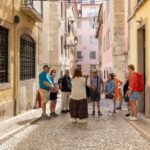
The heart of Fátima isn’t only the basilicas. It’s also the everyday places tied to the children’s lives. First you’ll head to Aljustrel for a photo stop and a guided visit for about 30 minutes.
This is where the story becomes tangible. You’re shown the village where the children were born and lived, and you get a guided look at well-preserved homes. Even if you already know the broad outline of 1917, this part tends to make the story feel more grounded—less like a famous headline, more like real people in a real place.
After Aljustrel, you continue to the children’s homes. You’ll visit Francisco and Jacinta’s home with a guided tour and a short walk (about 30 minutes), and then you’ll go on to Lucia’s house for another guided visit. The time here is limited, but it’s structured so you’re not just “seeing buildings.” You’re getting context for why those locations matter in the larger Fátima narrative.
As you move around the area, the parish church of Fátima is passed by—an extra breadcrumb for the timeline, since it’s noted as the place where the children received baptism. This isn’t a long sit-down stop, but it’s part of how the tour builds continuity from village life to religious significance.
The Sanctuary of Our Lady of Fátima: best ways to use your 1.5 hours
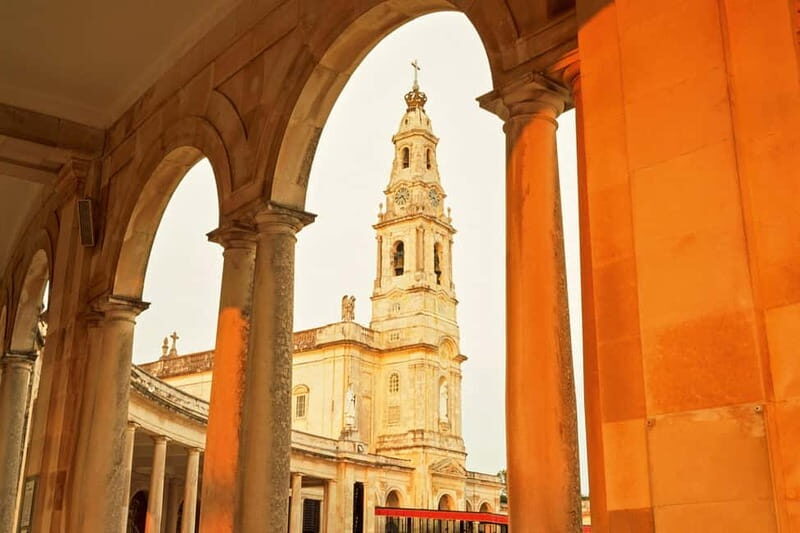
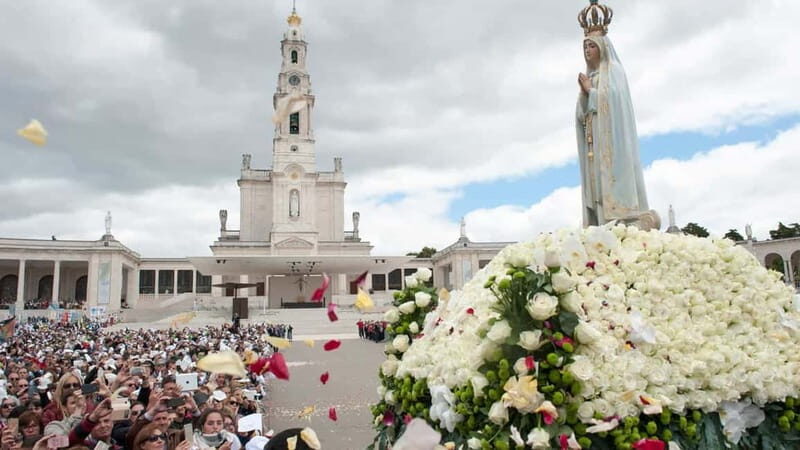
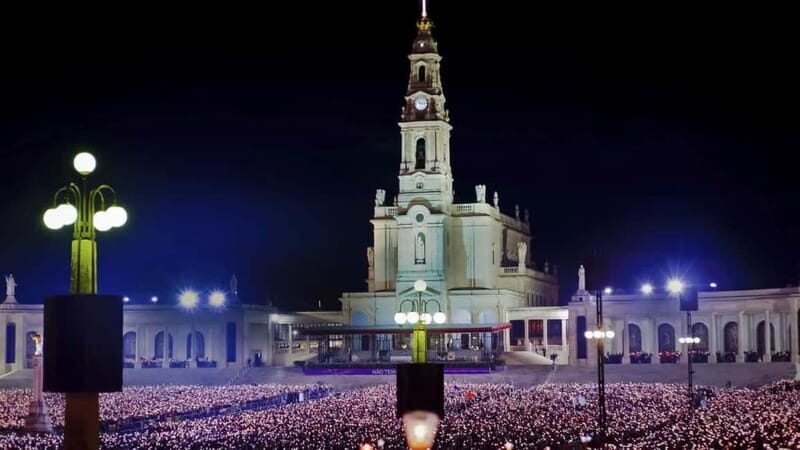
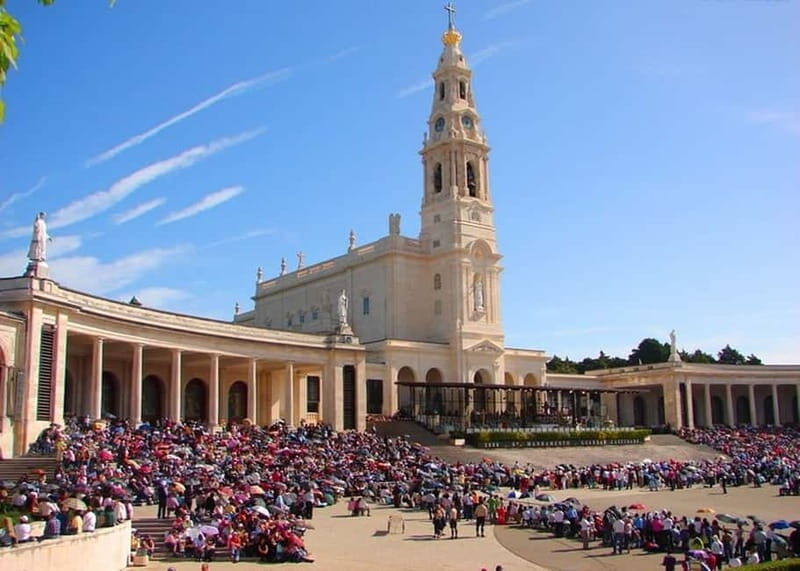
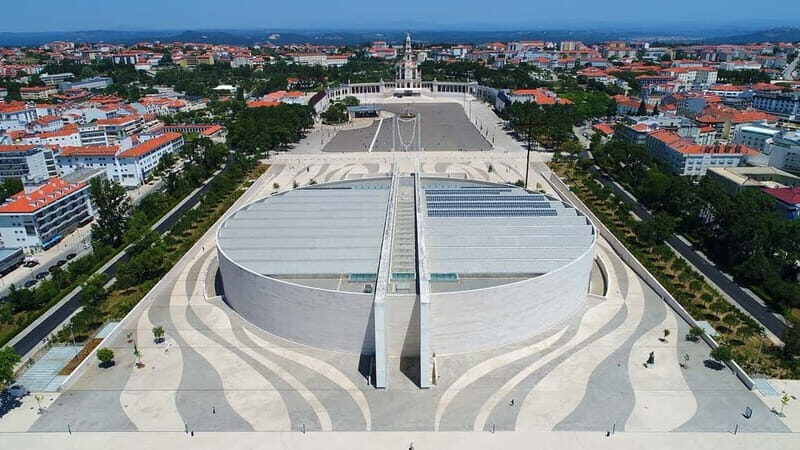
The sanctuary visit is where most people feel the biggest shift in atmosphere. You’ll arrive at the Sanctuary of Our Lady of Fátima for a long block of time: a total of about 1.5 hours that includes break time, photo stops, sightseeing, and a walk. You also have self-guided time, so you can choose what to focus on.
A big practical advantage: you skip the line through a separate entrance. That matters here. Even when you’re excited, lines can eat your energy, and the sanctuary has a lot to see. By avoiding the most time-wasting part, you get more minutes for actual looking, praying, and taking in the details around you.
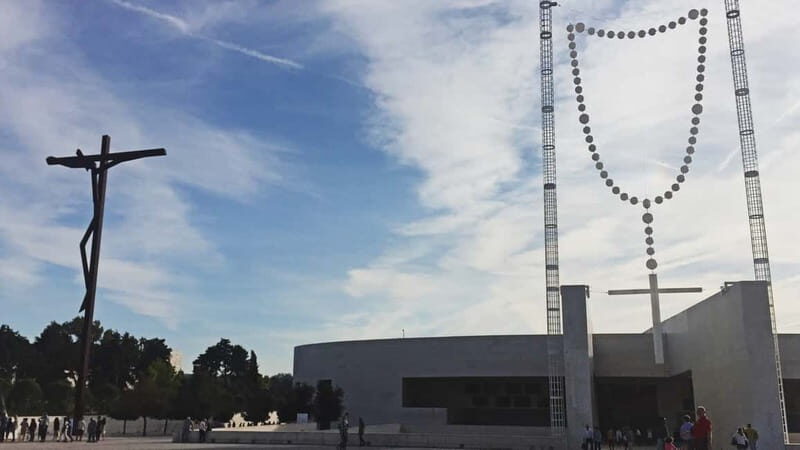
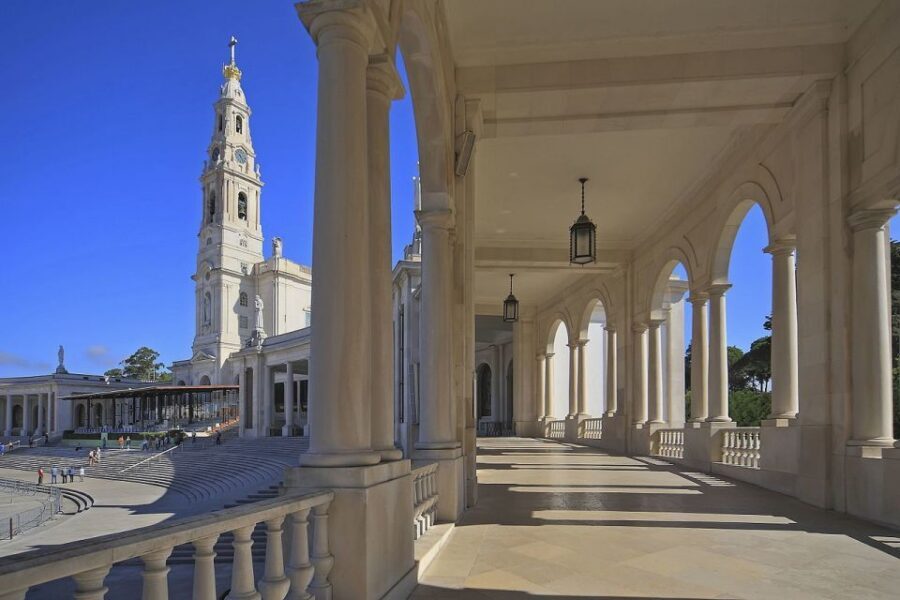
Inside the sanctuary complex, you’ll also visit other major sites with free time and walking. Plan for a simple flow: first do what your guide points out, then use your self-guided time to slow down. You’ll visit the Basilica of Our Lady of the Rosary of Fátima, with time to walk around and take in the space. You’ll also visit the Basilica of the Most Holy Trinity, again with time on your own to explore. Finally, you’ll reach the Chapel of the Apparitions, tied to where the Virgin Mary is remembered to have appeared.
Because this is a religious site, dress and behavior matter. Comfortable clothes are a must, but keep in mind that you’re moving between sacred areas where silence and respect go a long way.
Why the guides matter: schedule control and real on-the-ground help

This tour stands or falls on one thing: how well it handles time. The structure here is designed to keep the day from turning into a long, slow queue-and-wait experience, and the guide’s job is to make sure you hit the key locations without feeling rushed.
The guide team is professional and runs in English, Portuguese, and Spanish. Names you might hear include Diogo, and Jamie in at least one documented case. The style tends to be knowledgeable and friendly, with a focus on explaining what you’re seeing while also keeping you on the clock.
There’s also a small-group advantage. When you travel with fewer people, it’s easier for a guide to adjust on the fly—whether that means keeping the van moving at the right pace, or helping someone who’s dealing with a physical issue. One example from the provided feedback notes that a guide helped with comfort when a traveler had an injured back, including finding a better car seating arrangement. That’s a reminder to mention any needs you have early, so the guide can plan around them as best as possible.
If you like your sightseeing with structure—someone to tell you what matters and why—you’ll probably enjoy the way this trip balances explanation with walking time.
Nazaré add-on: when the extra stop is worth it
There’s an optional stop to Nazaré. If you choose the Ad On stop, the tour returns to Lisbon by traveling through Nazaré village with about a 1-hour free time sightseeing block. That turns the half-day into about a 7-hour outing.
This add-on can be a good fit if you want one extra dose of Portugal beyond the shrine. Nazaré gives you a coastal break from the religious focus, with a photo stop and sightseeing time included. It’s also a practical option if you’d rather not commit to a full separate day trip just to see the Atlantic side.
The trade-off is time. If you’re mainly there for Fátima and want a calmer pace at the sanctuary, you might prefer the standard version and keep the day shorter.


Price and value: what $152 buys you in the real world
At $152 per person, this isn’t a budget-only outing. But it’s also not just a driver dropping you at a bus station and hoping you figure it out. You’re paying for air-conditioned transportation, personal and accident insurance, and a professional driver guide. You’re also paying for guided time at multiple meaningful stops—Aljustrel and the children’s homes—and the sanctuary access that includes skip-the-line entry via a separate entrance.
Food isn’t included, so you’ll want to plan for snacks or a quick meal at your own pace during the breaks (there’s one notable break at the Fatima Shopping Center, and free time blocks at the sanctuary complex and basilicas).
When I judge value for a day like this, I think about two things: time saved and stress saved. The separate entrance and the guided flow help with both. If you tried to do this DIY from Lisbon, you’d spend time figuring out transport, timing, and where to go first—especially during busy pilgrimage periods. This tour compresses that decision work into a guided plan with set viewing windows.
Practical tips: walking, what to bring, and how to avoid small problems
The tour requires walking, and it runs rain or shine. Wear comfortable clothes and bring a camera if you like photos. For ID, an ID card is required, and a copy is accepted.
There’s also a luggage rule. You can’t bring luggage or large bags. If you’re staying in Lisbon and carrying a lot of stuff, travel light the morning of this trip so you’re not juggling bags at sacred sites.
One more detail people often overlook: you need to provide a valid telephone number with the country code. That helps the operator reach you if plans shift, and route changes can happen for bad weather, political events, strikes, and similar disruptions.
If you’re unsure about your meeting point, the standard pickup at Hard Rock Café Lisboa is the anchor time (7:45 AM). Still, double-check the day-before info the supplier sends, since routes can be modified and your meeting details may vary.
Who this tour suits best (and who should pass)
This tour makes the most sense for you if you’re in Lisbon and you want a focused introduction to Fátima without turning the day into a logistics project. It’s a strong match if you like guided explanation and you want to see the main pilgrimage areas plus Aljustrel in one outing.
It also fits well if you’re short on time. At 5.5 to 6 hours (with the standard version), it’s a manageable chunk of the day, especially compared with longer multi-stop tours.
You should consider passing if you have mobility limitations, since it’s not suitable for people with mobility impairments and requires walking in a rain-or-shine setup. It’s also a less ideal choice if you strongly prefer long, unstructured stays at each site; the day is paced to cover several key locations.
Should you book the Best of Fátima half-day from Lisbon?
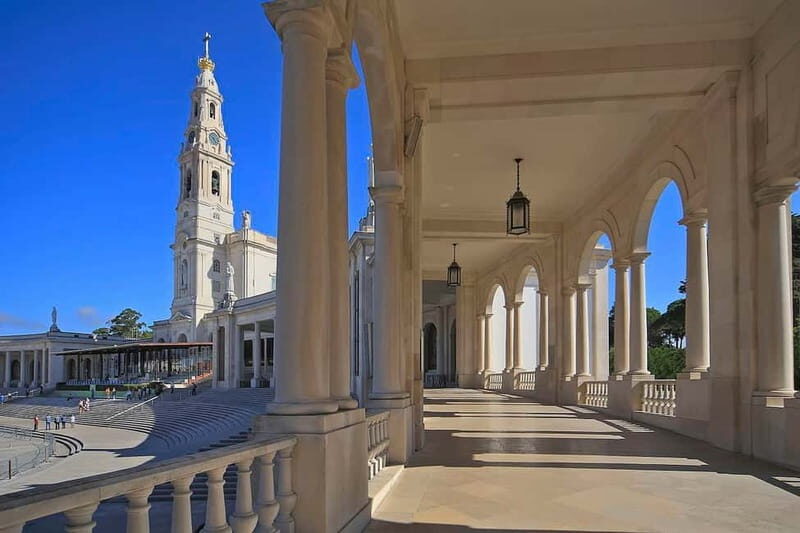
If your priority is a well-timed, guided religious day with meaningful stops—Sanctuary of Our Lady of Fátima, the Chapel of the Apparitions area, and the children’s homes in Aljustrel—this tour is a solid choice. The separate entrance is a real quality-of-life win, and the guide-led explanations help you understand what you’re seeing while keeping the schedule intact.
Book it if you want:
- Guided context plus time for your own pace
- Less waiting, more seeing
- A half-day length that’s easy to fit into a Lisbon itinerary
Skip it if you need lots of mobility support, if you’re hoping food is included, or if you want to spend extended hours lingering without a set route.
FAQ
How long is the Lisbon to Fátima half-day tour?
The duration is about 5.5 to 6 hours. If you add the Nazaré stop, it becomes about a 7-hour tour.
What’s included in the price?
Transportation by air-conditioned vehicle, personal and accident insurance, and a professional driver guide are included.
Is food included?
No. Food isn’t included on this tour, so you’ll need to plan your own meals or snacks during free time and breaks.
Do you skip the line at the sanctuary?
Yes. You get skip-the-line access through a separate entrance.
Does the tour offer an optional stop in Nazaré?
Yes. If you select the Nazaré add-on, you’ll return to Lisbon via Nazaré village with a 1-hour stop for photo time and sightseeing, which increases the tour length to about 7 hours.
Is this tour suitable for people with mobility impairments?
No. It isn’t suitable for people with mobility impairments due to the walking involved.