REVIEW · LISBON
Lisbon Street Art Lovers Walk
Book on GetYourGuide →Operated by Lisbon Street Art Tours · Bookable on GetYourGuide
Lisbon’s walls talk, and you’ll hear them. This street art lovers walk turns city streets into an easy-to-follow lesson in how graffiti connects to neighborhood life. I especially love the street-art storytelling and the way the route builds toward some of the best views around.
One thing to plan for: you’re moving over Lisbon’s hills and stairs, so comfortable shoes matter.
In This Review
- Key things that make this walk worth your time
- Lisbon Street Art Walk: what you’re really paying for
- Mouraria to Graça: a route that feels like Lisbon, not a museum
- The artists and techniques you’ll spot on the walls
- How the guide turns graffiti into city history
- Miradouro moments: the best views near Graça
- The #whatsuplisboa card and local “partners-in-crime” deals
- Small group sizing, languages, and the walking reality
- Price and value: why $23 makes sense here
- Who should book this walk (and who might want a different plan)
- Should you book Lisbon Street Art Lovers Walk?
- FAQ
- How long is the Lisbon Street Art Lovers Walk?
- Where does the tour start and where does it end?
- How big are the groups?
- What languages are offered?
- Does the tour run in bad weather?
- What should I bring?
- Is the tour stroller-friendly and can dogs join?
Key things that make this walk worth your time
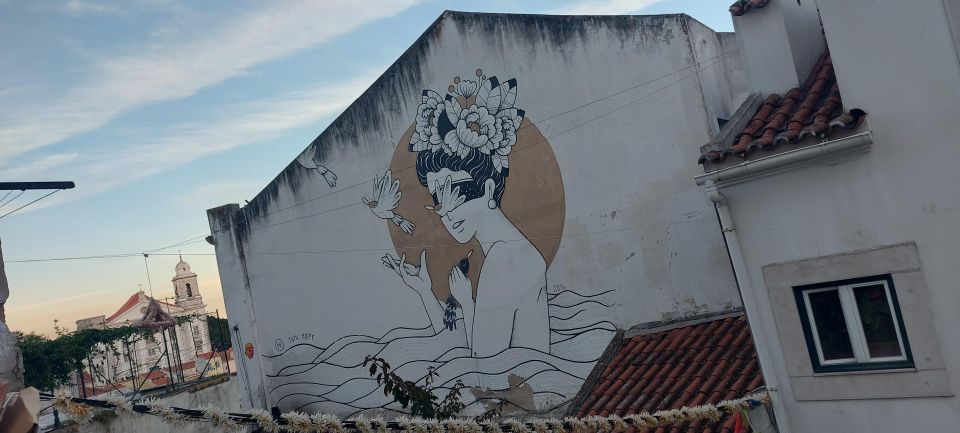
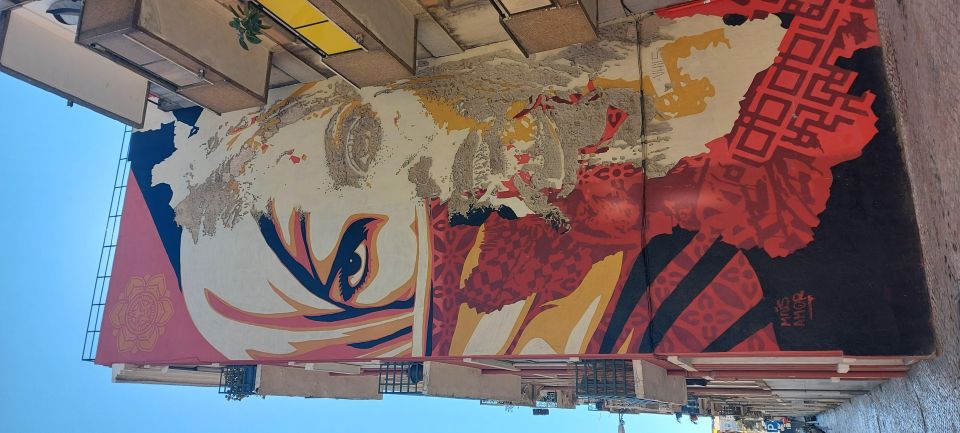
- Street-art names you’ll recognize: Shepard Fairey, Vhils, Bordalo II, Add Fuel, and more
- Two neighborhoods, one arc: Mouraria’s patchwork energy to Graça’s viewpoint payoff
- Guide-led technique + meaning: styles, tools, and the social context behind the work
- Best-in-town photo angles: the walk ends near Miradouro-style viewpoints
- You’re not just watching: your ticket supports emerging artists through yesyoucan.spray
- A useful extras card: #whatsuplisboa brings special deals and local “do this next” ideas
Lisbon Street Art Walk: what you’re really paying for
At $23 per person, this is priced like a solid guided activity, not just a casual stroll. You’re paying for three things that add up fast: an experienced guide, curated street-art stops, and the context that helps you see what you’d otherwise miss.
The biggest value is interpretation. Street art is everywhere in Lisbon, but it’s still easy to walk past it like background noise. Here, you learn how to read walls—who’s making the work, why it shows up where it does, and what’s going on in the city at ground level.
Also, you’re helping keep the scene alive. Part of the experience supports yesyoucan.spray, a Street Art Collective focused on emerging artists and preserving space for creativity. That matters, because Lisbon’s street art isn’t just “art tourism.” It’s tied to ongoing local projects.
You can also read our reviews of more walking tours in Lisbon



Mouraria to Graça: a route that feels like Lisbon, not a museum
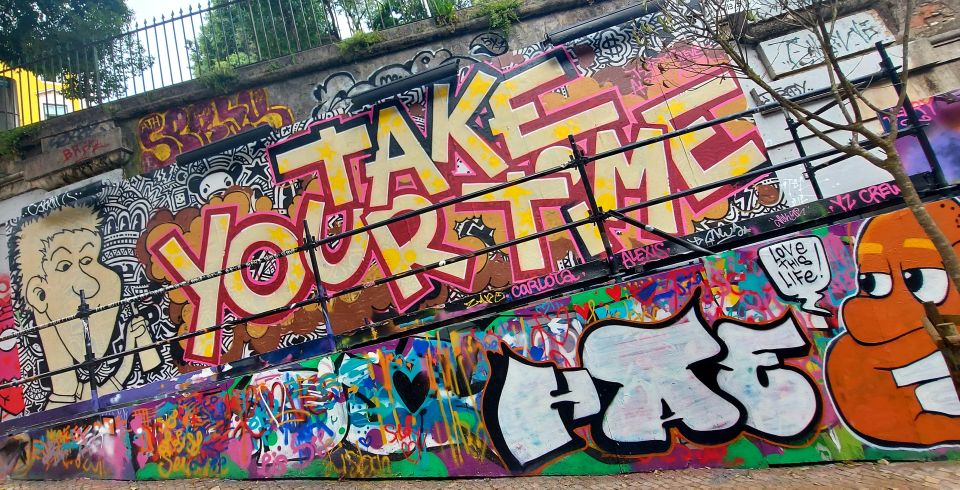
This walk is designed around a neighborhood story. You start in Mouraria, a multicultural area known for mixing small and bigger walls with Portuguese traditions and the daily rhythm of local life. It’s a good place to begin because the street art there feels less like a gallery and more like a living conversation.
From there, you follow a pattern of streets, alleys, and squares that keeps the pace interesting while still letting the guide explain what you’re seeing. The tour ends near Graça, close to one of the city’s standout viewpoints, where the walls and the view work together.
Depending on the option you choose, the duration can run about 150 to 210 minutes. That time window is long enough to teach you how to notice details, but not so long that your legs revolt halfway through—though Lisbon always has its own opinions about that.
The artists and techniques you’ll spot on the walls
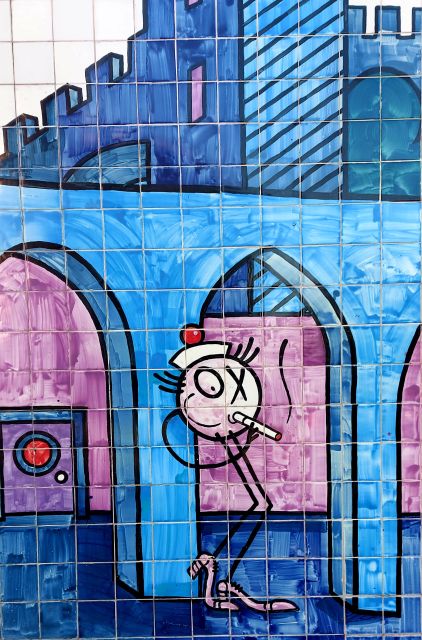
The wallwork on this tour covers a mix of (inter)national artists and styles. You’re not limited to one look. You’ll be shown different techniques and how they create different effects on the street.
Names you may see discussed include Shepard Fairey, Vhils, Bordalo II, Add Fuel, and Camilla Watson, plus others like Andrea Tarli, Ozearv, PixiAvo, PichiAvo, and Mario Belem. Even if you don’t know every artist beforehand, the guide connects the dots so you start recognizing themes: bold graphic messaging, portrait-like work, stencil-driven layers, and site-specific approaches.
What I like is the “read the wall” framework. The tour doesn’t treat each piece as a random decoration. It explains how political, economic, and social issues help generate the street art and graffiti you see. Once you know that link, Lisbon’s walls start looking less chaotic and more like a map of public emotion.
How the guide turns graffiti into city history

Street art becomes a history lesson when someone explains the context. That’s the core here: the guide points out techniques, then connects the work to Lisbon’s neighborhoods and their changes over time.
You’ll also hear about the tension between legal and illegal pieces—because in many cities, street art lives in that gray zone. Here, the guide uses that reality to explain why certain styles appear, how artists choose spots, and what the city’s social climate has to do with it.
Two details from real guide experience make this feel special. One guide, Ben, is an artist himself, which gives the explanations extra weight—like you’re learning from someone who actually makes the work. Another guide, Michael, is strong on how the art connects to city development, not just the artwork in isolation. You’ll feel that shift: the tour stops being only about street images and turns into about Lisbon’s street-level story.
Miradouro moments: the best views near Graça
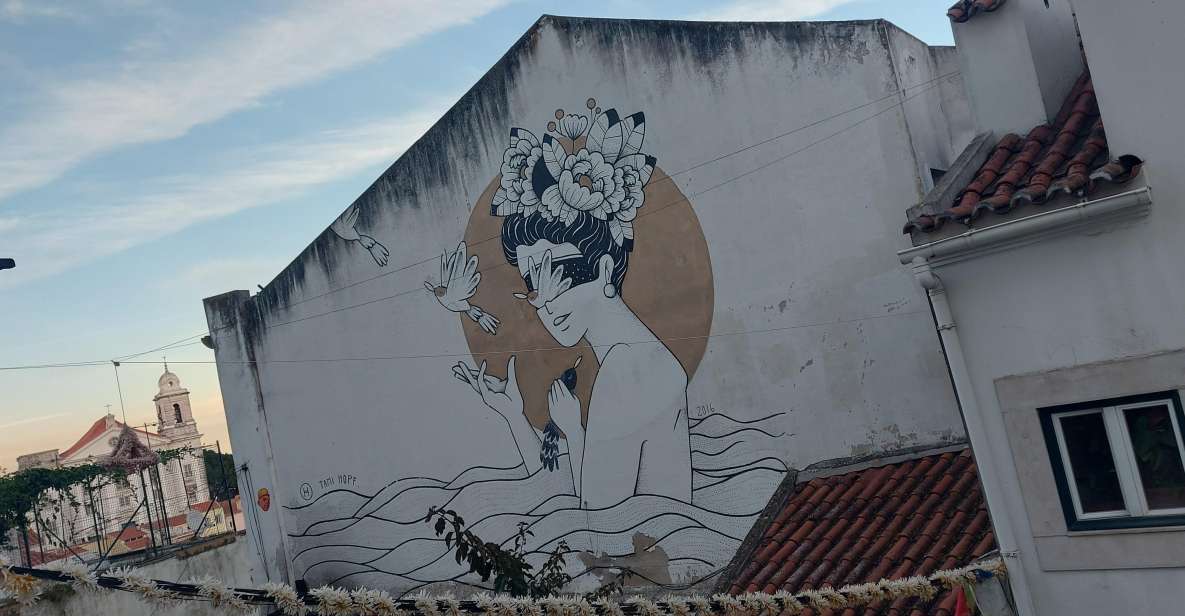
The tour includes a photo stop around Miradouro da Graça, with about 10 minutes set aside for sightseeing. This isn’t just a break. It’s timed so you can appreciate the street art from a higher perspective, then come back down with better context for the neighborhood layout.
Graça is a smart ending location because the viewpoints help you understand scale. When you can see streets spread out below, you get why artists choose certain corners and walls. It also gives your eyes a rest after close-up wall details.
If you’re the type who likes taking photos, you’ll likely find it easier to plan shots than on a purely street-level route. Bring water, take your time at the viewpoint, and don’t rush the wallwork on the way there—your guide’s explanations are meant to land when you’re actually looking at the surfaces.
You can also read our reviews of more tours and experiences in Lisbon





The #whatsuplisboa card and local “partners-in-crime” deals

One of the fun extras is a VIP card for special deals with local partners. You also get a #whatsuplisboa cityguide with more things to explore after the walk.
This is practical value, not just swag. If you’re trying to build a smooth itinerary, those deals and suggestions can save time the next day. It’s also a nice way to keep the tour’s energy going—street art is a gateway to the rest of Lisbon, and the card helps you turn that interest into real plans.
If you like spending your vacation time efficiently, this part is worth paying attention to. A great guide tells you where to go next; the card gives you a head start.
Small group sizing, languages, and the walking reality

This is a small-group tour limited to 8 participants. That size matters because street art is best discussed close up. You don’t want to be craning your neck behind a crowd while someone tries to explain why a technique works on a specific wall surface.
Languages are French and English, so if you’re choosing based on that, you’ll have a smoother experience with a guide who can explain clearly.
About the walking: expect a moderate amount of ups and downs across Lisbon’s famous seven hills. You’ll get close to your daily steps, especially if you’re starting from the Mouraria side and ending in Graça. Plan for weather too. The tour runs rain or sunshine, so bring protection and stay flexible.
Two small practical tips from the “know before you go” section are easy wins:
- Bring comfortable shoes (you’ll thank yourself on the stairs).
- Don’t count on a stroller because stairs are involved.
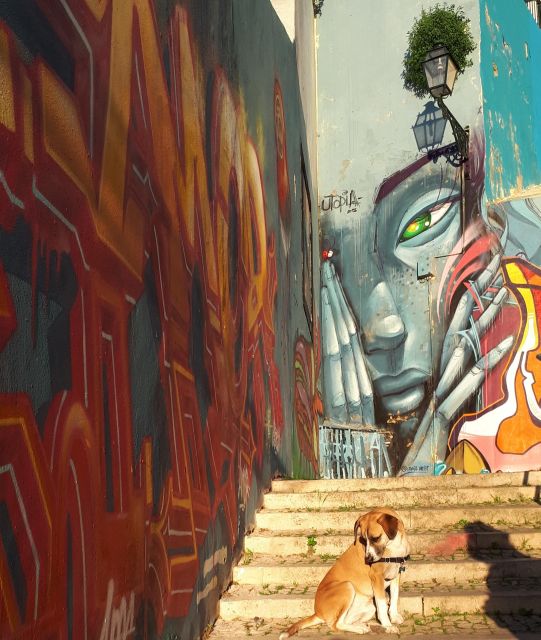
Good news for dog lovers: the tour is dog friendly, and your furry friend can join if you let the operator know ahead.
Price and value: why $23 makes sense here
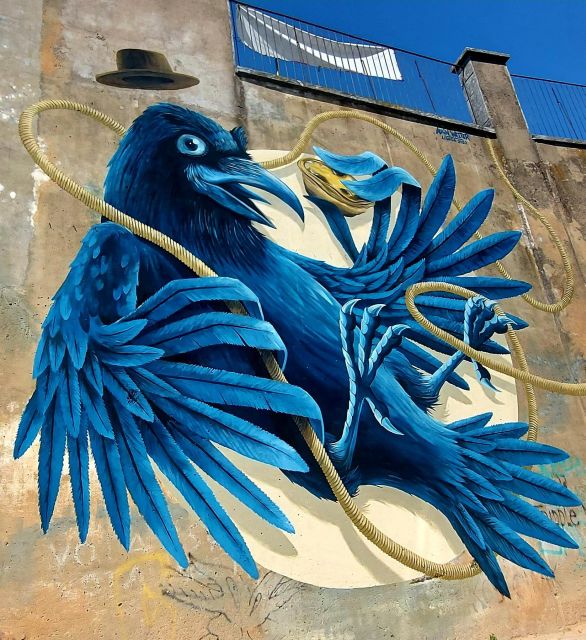
Let’s talk value beyond the number. For $23, you get a guided street-art walk on foot, an experienced guide, access to the best street-art viewpoints in town, and explanation of a range of international artists and styles.
Add the extra layers and it starts to feel like more than a standard tour:
- A card with special deals and local partner ideas
- A cityguide (so the tour doesn’t end when you reach the viewpoint)
- Direct support for the local scene through yesyoucan.spray
If you compare that to paying for a self-guided “see what you see” approach, the guide is what makes the difference. Lisbon’s street art isn’t just eye candy—it’s tied to issues, neighborhood changes, and creative strategies. The tour helps you see the structure behind the chaos.
Also, the free cancellation and reserve-now options are the kind of flexibility that can matter if you’re building a multi-day plan in Lisbon. In a city with unpredictable weather, that flexibility is worth something.
Who should book this walk (and who might want a different plan)
This is perfect if you’re any of these:
- You’re seeing Lisbon for the first time and want to avoid only the big-name sights
- You like art but also like meaning—why things are made, not just how they look
- You want a fun, social walk that still teaches you details
You’ll also enjoy it if you’re the kind of traveler who starts noticing street art everywhere after a guide flips the switch in your brain. That “wait, now I see it” effect is exactly what this tour is built for.
If you hate hills or have low tolerance for stair-heavy routes, you might want to consider whether you can handle the Graça side at the end. The tour is moderate walking, not a hike—but Lisbon doesn’t do flat.
And if you’re traveling with very young kids in a stroller, this one may feel harder than others because stairs are part of the route.
Should you book Lisbon Street Art Lovers Walk?
Book it if you want Lisbon to feel like a living place, not a checklist. This walk gives you recognition (famous artists and clear styles), but it also gives you the missing ingredient: the city context that explains why the walls look the way they do.
I’d skip it only if you strongly prefer quiet, low-walking experiences, or if you’re only interested in major museum-style art. Street art is hands-on, street-level, and sometimes a little blunt—in the best way.
If you do book, wear comfortable shoes, bring water and sunscreen, and give the guide your attention when you’re close to the walls. That’s when the tour really clicks.
FAQ
How long is the Lisbon Street Art Lovers Walk?
The tour runs about 150 to 210 minutes, depending on the option you book.
Where does the tour start and where does it end?
You’ll start from one of several starting locations, and the walk ends near Graça, close to a major viewpoint area.
How big are the groups?
The group is small, limited to 8 participants.
What languages are offered?
The live guides speak French and English.
Does the tour run in bad weather?
Yes. The tour takes place rain or sunshine.
What should I bring?
Bring comfortable shoes, sunscreen, and water.
Is the tour stroller-friendly and can dogs join?
Strollers are not recommended due to stairs. Dogs are welcome, and you should let the operator know in advance.