REVIEW · LISBON
Lisbon: City of Spies Guided Walking Tour
Book on GetYourGuide →Operated by Lisbon Walker · Bookable on GetYourGuide
Lisbon learned to smile like a spy. This guided walk turns neutral wartime streets into a real-life thriller, mixing Portuguese politics with double agents, refugees, and the people and plotlines that fed Bond-style imagination. You’ll also connect the dots between royalty in exile, Nazi gold rumors, and Portugal’s tightrope neutrality—without drowning in dates.
I especially like the way the tour makes WWII Lisbon feel personal, not academic. I also love how guides such as José and Rita tell the story with local detail and humor, like you’re being coached through a city’s hidden history rather than being lectured at street corners.
One thing to plan around: the experience is sold as 3 hours, but on at least one day it ran noticeably shorter. If you’re timing a tight schedule, I’d build in a buffer.
In This Review
- Key takeaways before you go
- WWII neutral Lisbon: how the city became a spy hub
- Garbo, Nazi gold, and the double-agent game on foot
- Portuguese neutrality and Salazar’s dictatorship: the politics underneath the plots
- Royalties in exile, refugees, and who could meet whom
- Consuls, ship convoys, and the coast: Allied and Axis pressure points
- James Bond inspiration: how Lisbon’s WWII vibe fed famous fiction
- Guides such as José and Rita: what makes the walk feel worth it
- Price, timing, and where the 3 hours can flex
- Who should book this Lisbon spy walk
- Should you book the Lisbon City of Spies guided walking tour?
- FAQ
- How long is the Lisbon City of Spies guided walking tour?
- What does the tour cost?
- What’s included in the price?
- Do I need to speak Portuguese to join?
- Is the tour canceled if it rains?
- How do I choose between group options?
- What should I bring?
- Can I get a refund if my plans change?
Key takeaways before you go
- Neutral Lisbon as a wartime meeting point: see why the city could host spies, royals, and escapees at the same time
- Garbo, Nazi gold, and double-agent stories: the spy plotlines stay concrete and place-based
- Portugal’s political challenges under Salazar: you get the backdrop for why neutrality was complicated
- Film-writer inspiration: you’ll learn how Lisbon’s wartime atmosphere fed famous stories, including James Bond
- Guides who improvise: several guides are praised for strong storytelling and answering questions
WWII neutral Lisbon: how the city became a spy hub
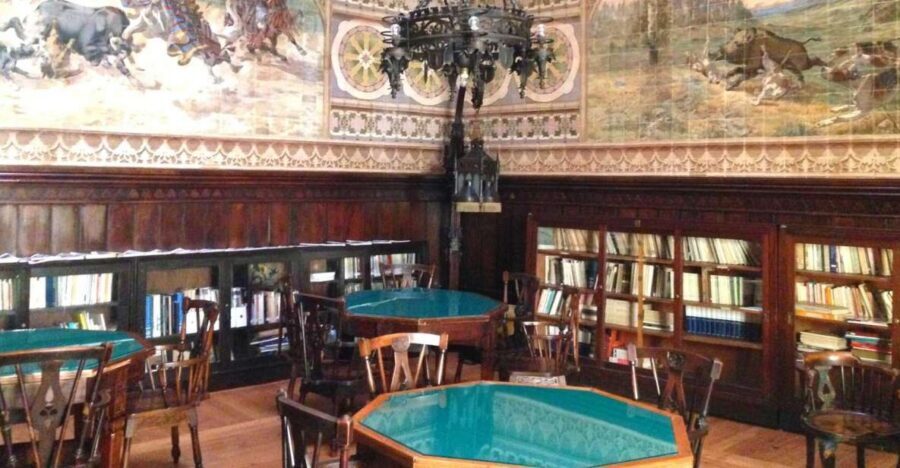
The tour’s big idea is simple: in World War II, Lisbon was not just a postcard. It was useful. Because Portugal stayed neutral, the city became a kind of communication crossroads where people who should not be in the same room often were. As you walk, you get a steady explanation of how neutrality worked in practice—politically, socially, and even in everyday logistics—so the spy talk makes sense.
You also get a sense of Lisbon’s dual role. On one hand, it was a haven for refugees and a stop for people trying to escape the worst of the war. On the other hand, it was a business opportunity for profiteers and a playground for intelligence networks. That tension is what keeps the walk moving, because the same streets that carried desperate people also carried clever operators.
You can also read our reviews of more walking tours in Lisbon



Garbo, Nazi gold, and the double-agent game on foot
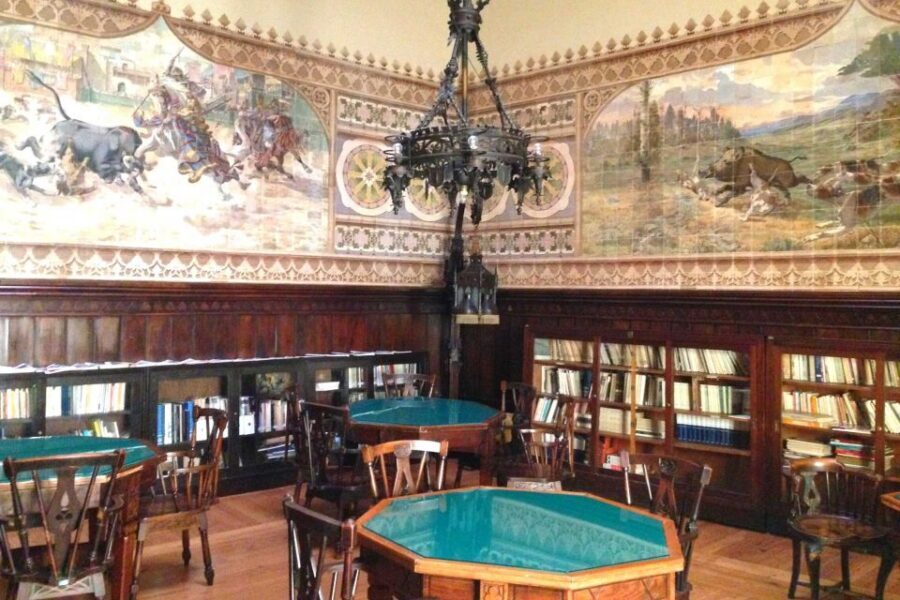
This is where the tour turns from background to page-turning. Expect stories tied to famous intelligence legends and the shadowy mechanics of double agents—names and situations connected to the wider wartime struggle. The tour specifically spotlights the Garbo story and the recurring theme of Nazi gold in Portugal, which is the kind of topic that sounds like rumor until the guide connects it to the pressures and incentives of the time.
What I like about this section is that it’s not only about the spy persona. You hear about networks, payments, and how information traveled—plus the human side, including refugees moving through a city that could be both helpful and dangerous depending on who you were and what you carried. If you enjoy stories where morality is messy, this part works.
Tip for your brain: let the guide connect one story to the next. The tour’s rhythm is built so later chapters click into earlier ones.
Portuguese neutrality and Salazar’s dictatorship: the politics underneath the plots
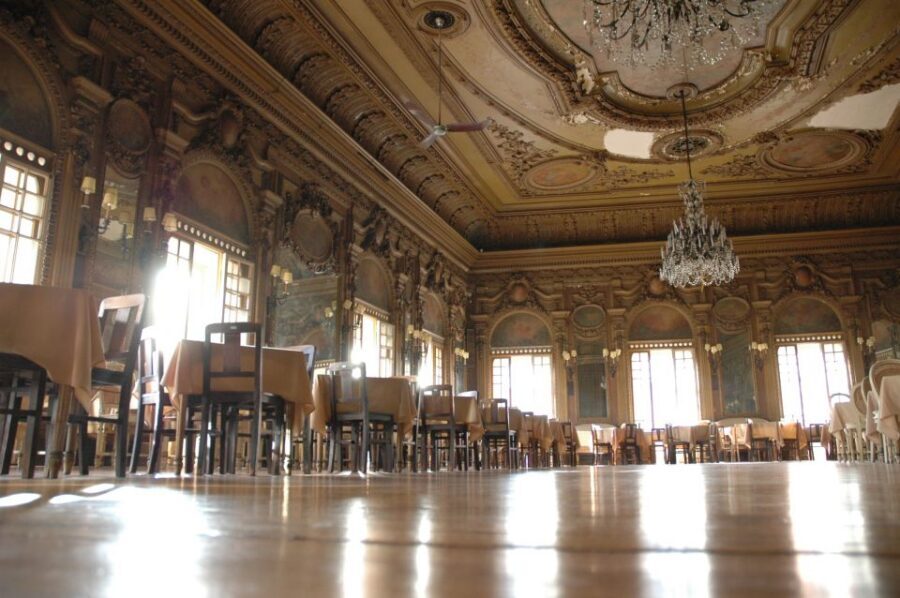
Spy stories land better when you understand the rules of the game. This tour spends real time on Portuguese politics and the serious constraints of the era, including Salazar’s dictatorship. That matters because neutrality wasn’t passive. It was managed, negotiated, and watched closely.
As you walk, you’ll hear how that climate shaped daily life and even the kinds of people who felt safe in Lisbon. Royals in exile, artists and socialites on the way to the U.S., and “ordinary” movers all fit into the same bigger picture: a city playing a careful role between competing powers. The guide’s job is to show you what neutrality enabled—and what it limited.
I also like that the political context doesn’t feel like a separate lesson. It’s woven into why certain events could happen in Lisbon and why certain rumors stuck around.
Royalties in exile, refugees, and who could meet whom
One of the most interesting claims in the tour concept is that Lisbon may have been one of the few places in war-torn Europe where sides could meet on more equal terms. That doesn’t mean everyone was safe. It means the city’s status created a weird kind of overlap: intelligence officers, desperate refugees, and European royalty in transit could all share the same spaces.
You’ll also hear about escape routes and the idea of Lisbon as a staging point. The stories aim to show the city as a system: paperwork, contacts, timing, and trusted intermediaries. It’s the difference between hearing that spies existed and understanding how a spy could plausibly act in a neutral capital.
If you’re coming to Lisbon with a love for human stories, this section is a strong match. It gives the spy era a human face—both the glamorous one (artists, writers, socialites) and the grim one (anonymous refugees and the cost of moving).
Consuls, ship convoys, and the coast: Allied and Axis pressure points
The tour also stretches beyond Lisbon’s streets and into the war’s bigger geography. You’ll learn about the lonely fight of the Portuguese consul in Brussels, plus the spy network tied to Allied ship convoys. That shifts the focus from cinematic agent work to a more technical reality: intelligence and counterintelligence built around shipping lanes, timing, and communications.
Then it turns toward the coast, where the story includes RAF and Luftwaffe battles on the coast of Portugal. Even if your feet never leave the city center, the guide uses the walk to connect Lisbon to what was happening along the coastline—so you leave with a sense that the war wasn’t far away. It was in the air, in the routes, and in the pressure the city faced.
Practical payoff: after this, you’ll read Lisbon differently. You’ll start noticing how a port city’s geography always matters during conflict.
You can also read our reviews of more guided tours in Lisbon




James Bond inspiration: how Lisbon’s WWII vibe fed famous fiction
If you came for spies, you’ll likely stay for the cultural connections. The tour explicitly connects Lisbon’s WWII atmosphere to inspiration behind James Bond-style stories, tied to writers such as Ian Fleming and Graham Green. The point is not to claim a direct one-to-one source for every plot twist. It’s more useful than that: you learn what the setting had that writers craved—neutral territory, double lives, and high-stakes intrigue.
This part helps you make sense of why Lisbon feels like it belongs in spy fiction even today. It’s a city of hills and viewpoints, yes. But it’s also a city shaped by secrecy, leverage, and who gets to travel when everything else is collapsing.
If you’re a fiction fan, this is the portion that makes your Lisbon photos feel smarter. You’re not just shooting streets—you’re capturing a vibe the war helped manufacture.
Guides such as José and Rita: what makes the walk feel worth it
The quality of this tour lives and dies with the guide. In the strong feedback you’ll see names like José, Rita, Joana, Ze, Filippa, and Phillips showing up again and again. The common thread is storytelling: guides are praised for humor, pacing, and a knack for keeping you interested without losing the plot.
There’s also a useful practical bonus. One review notes that the guide was flexible with clients who had hearing and walking needs, including offering a format with both seated teaching and walking. That tells me the operator understands that a history-heavy walk still needs to work for real bodies, not just ideal schedules.
One more note: several descriptions talk about guides not sticking rigidly to a script. When that happens, the tour can feel more like a conversation with a local expert and less like a timed audio tour.
Price, timing, and where the 3 hours can flex
At $29 per person for a 3-hour guided walk, you’re paying for a concentrated history lesson that walks you through the city while explaining the why behind each story. That’s good value in a place where many paid experiences either feel too short or too generic.
Still, timing can be a variable. One day it reportedly ran closer to an hour and forty minutes instead of the full 3 hours. I can’t predict your exact pacing, but I can suggest a smart approach: plan this earlier in your Lisbon day and keep your next commitment flexible.
You’ll walk rain or shine. Bring comfortable shoes, and dress for wind and drizzle even in seasons when Lisbon looks calm.
Who should book this Lisbon spy walk
This tour is a great fit if you:
- want a WWII-focused Lisbon orientation that connects politics + people + intrigue
- like stories that explain how intelligence worked, not just who the hero was
- enjoy a guide-led walk rather than reading on your own
It’s less ideal if you only want light sightseeing or if you dislike war-era topics. This is history through the lens of espionage, neutrality, and conflict—so it will feel serious at times, even when the guide keeps the tone lively.
Should you book the Lisbon City of Spies guided walking tour?
If you like Lisbon enough to want a second lens on it, this is an easy yes. The price is fair for a professional guide, and the subject matter isn’t generic trivia. You come away with a map of cause and effect: why neutrality mattered, why Lisbon attracted so many competing interests, and how the city’s wartime reality shaped later storytelling.
I’d book it if you can handle walking and don’t have razor-thin timing. If your schedule is strict, treat the headline 3 hours as a best-case scenario.
FAQ
How long is the Lisbon City of Spies guided walking tour?
The tour is listed as 3 hours. Starting times depend on availability.
What does the tour cost?
It’s priced at $29 per person.
What’s included in the price?
You get a tour with a professional guide. Food and drinks are not included, and there’s no hotel pickup or drop-off.
Do I need to speak Portuguese to join?
No. The tour is offered in English and Portuguese.
Is the tour canceled if it rains?
The tour runs rain or shine.
How do I choose between group options?
You can pick private or small group options, depending on what’s available when you book.
What should I bring?
Bring comfortable shoes, since you’ll be walking.
Can I get a refund if my plans change?
There is free cancellation up to 24 hours in advance for a full refund.