REVIEW · LISBON
Lisbon: See Lisbon Like a Local on a Private Walking Tour
Book on GetYourGuide →Operated by LocalCoolTour · Bookable on GetYourGuide
Lisbon is best learned on foot. This private walking tour mixes real local stops, like A Ginjinha for sour cherry liqueur, with hilltop viewpoints and historic neighborhoods that explain Lisbon’s soul. You’ll walk the old quarters at a human pace, guided by someone who knows what to point out and where to look.
What I like most is the combo of taste and viewpoint: you’ll sip ginja and then relax with coffee at Miradouro de Graça. I also love how the route steers you off the standard picture circuit and into places tied to fado and Moorish-era Lisbon, including the streets of Alfama.
One thing to plan for: the walking can be steep and the route may involve climbing, so it’s not a great fit for mobility limitations. Good shoes help a lot, even if the day looks calm.
In This Review
- Key highlights worth planning around
- Starting at A Ginjinha and tasting ginja like locals
- Mouraria’s fado roots and the Moorish Quarter’s street-level story
- Caracol da Graça and the Graça viewpoints that reward the climb
- São Vicente de Fora and Alfama’s 1775-survivor streets
- Markets, churches, and the city’s rhythm before the sea reveal
- Praça do Comércio: the dramatic harbor square finish
- Price, value, and who this private tour suits best
- Should you book this Lisbon like a local private walk
- FAQ
- Where do I meet for the tour?
- How long is the private walking tour?
- What’s included in the price?
- Is hotel pickup or drop-off included?
- What language options are available for the live guide?
- Will the tour run if it rains?
- Is the tour suitable for people with mobility impairments?
- What is the cancellation policy?
Key highlights worth planning around
- A Ginjinha tasting: start with a sip of sour cherry liqueur before you see the city unfold.
- Coffee at Miradouro de Graça: a proper pause with panoramic views, not just a quick photo stop.
- Mouraria and fado origins: you’ll connect fado to Arab influence through the neighborhood’s history.
- Alfama’s 1775 story: you’ll walk streets tied to areas that survived the earthquake.
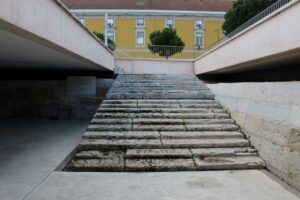
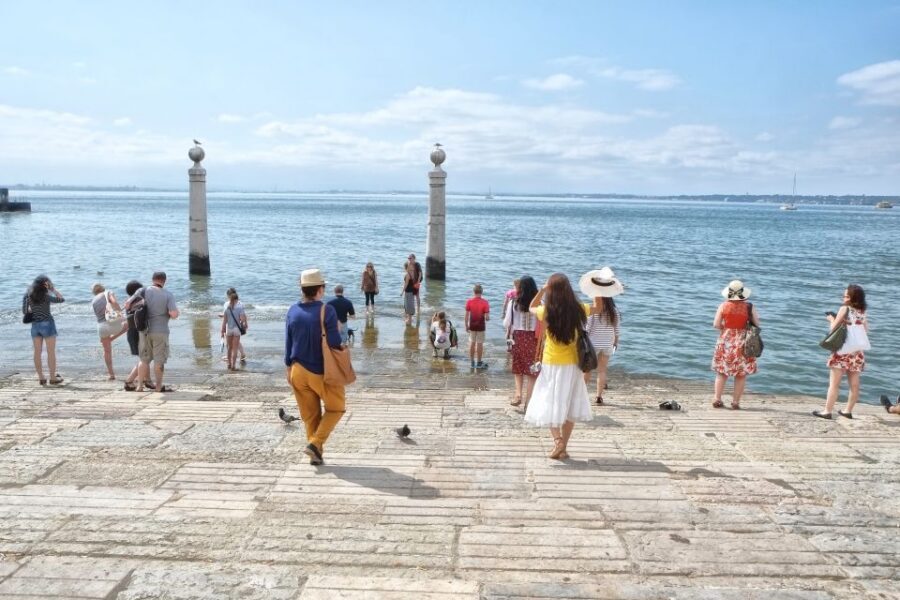
- Praça do Comércio finale: you finish at a harbor square with Tagus River views and the Cais das Colunas footbridge.
Starting at A Ginjinha and tasting ginja like locals
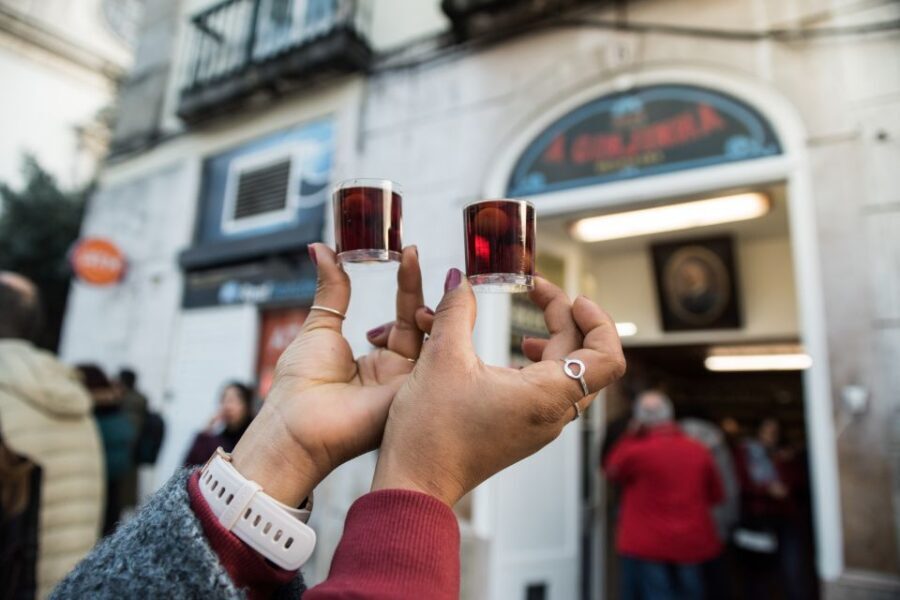
You meet at the entrance of A Ginjinha, a small, classic Lisbon bar that makes an instant impression. The tour starts with something simple but very Portuguese: you try a glass of sour cherry liqueur (ginja). It’s a great opening because it gets you into the local rhythm right away, before you’re even thinking about directions and stairs.
This tasting matters more than you might expect. Lisbon can be a visual overload when you first arrive. Starting with one strong, familiar flavor helps you settle in and focus. If you’re not a liqueur person, the experience is still worth it as a cultural starter, and you can pace how quickly you drink.
From there, the tour moves into nearby sights on foot, which sets the tone for the whole walk: short transitions, clear explanations, and you’re always going somewhere meaningful. You’re also walking with a private group, so your guide can adjust the pace if you’re taking lots of photos or you need extra time to catch your breath.
I’d also treat this as a chance to plan your energy. The tour runs rain or shine and you may climb, so the early bar stop can act like a warm-up. After that, you’ll be moving through neighborhoods where Lisbon’s hills are part of the map, not an annoying surprise.
You can also read our reviews of more walking tours in Lisbon
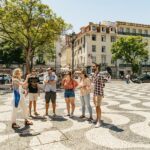
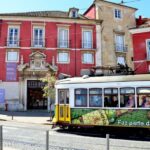
Mouraria’s fado roots and the Moorish Quarter’s street-level story
The route heads into the older parts of Lisbon tied to Mouraria and the Moorish Quarter. This is where you stop treating the city like a set of landmarks and start seeing it like a place with layers. Your guide points you toward the vibe of the old Arabian quarter, and you learn why it’s connected to the emergence of fado music.
What I like about this part is that it’s not just dates and names. You get the geographic context: streets and neighborhoods that helped shape cultural life. The guide explains the close relationship between fado and the Arab world, and it makes the music feel less like a museum item and more like a living tradition with roots.
You’ll also pass through important stop points where Lisbon’s architectural and spiritual history shows up at street level. The itinerary includes brief visits and orientation moments at stops such as the Church of St. Dominic, and later on you’ll see more churches and convents as you keep moving uphill and toward the viewpoints.
A key practical note: this section is where you’ll notice the neighborhood textures. Narrow streets, small squares, and corners where Lisbon feels like it’s been there forever. If you like “getting lost on purpose,” this is your zone. If you prefer wide, easy sidewalks, just know you’re trading convenience for character.
Caracol da Graça and the Graça viewpoints that reward the climb
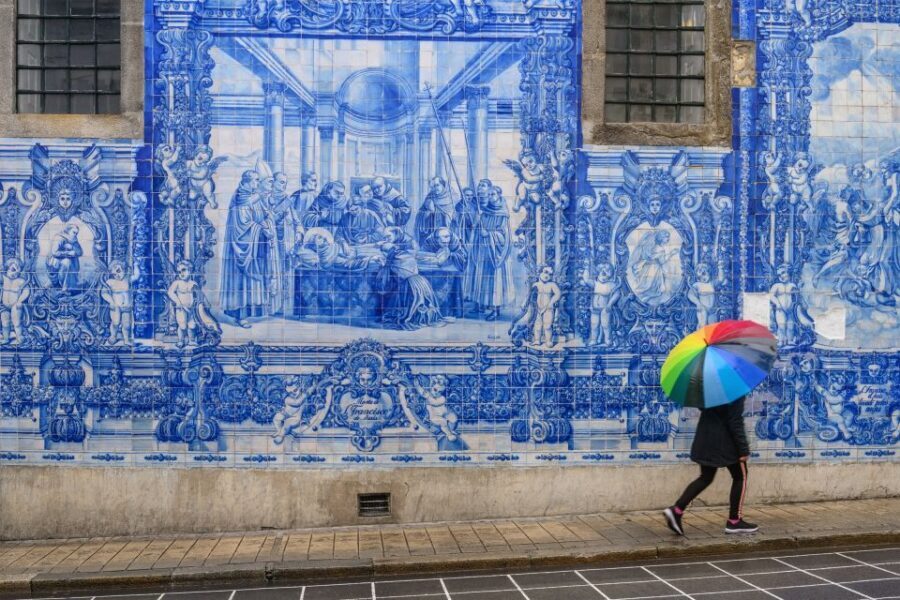
Eventually, the tour reaches Caracol da Graça, and this is one of those places that can make you pause even if you’re not a viewpoint person. It’s a helpful marker for the hill, and your guide uses it to set up what comes next: the big view stops.
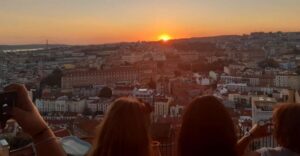
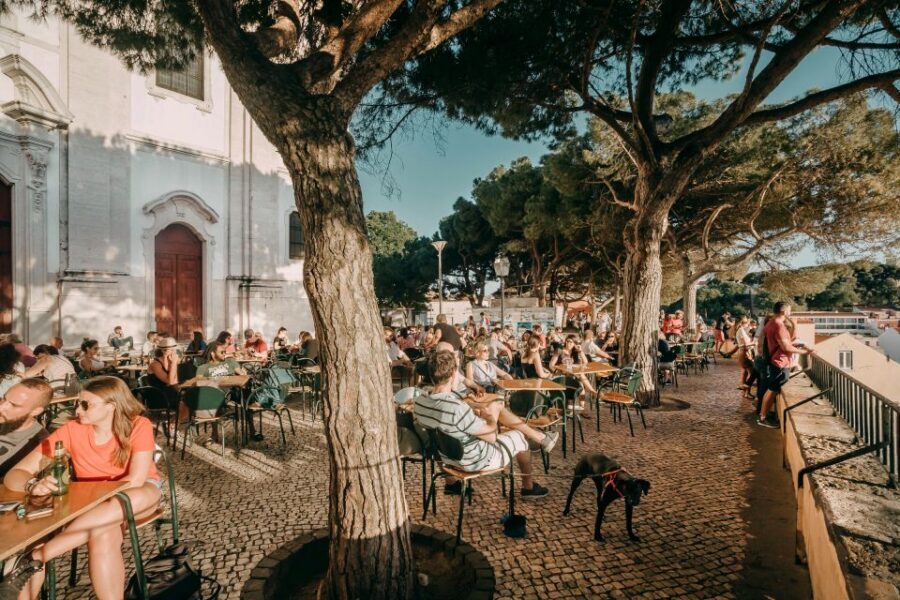
Then you get to Miradouro da Graca for coffee. This is one of the clearest examples of what makes the tour feel like a local walk rather than a checklist. You’re not just standing at a viewpoint; you’re taking a proper break, ordering coffee, and letting the city spread out in front of you.
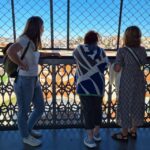
From Miradouro de Graça, you get panoramic views that make Lisbon’s geography click. The Tagus isn’t just a river on a postcard. It becomes a real reference point for where neighborhoods sit and how the city climbs away from the water. This is the moment you start to understand the logic behind the hills.
Drawback: coffee pauses can slow the pace a bit if you’re in a hurry. But that’s also the point. This tour is only three hours, so those pauses are carefully placed to give you value without swallowing the schedule.
If you’re trying to plan your photos, do it here and then enjoy the rest of the walk without obsessing. You’ll keep getting glimpses, but the viewpoint stops are where you’ll truly get the big-picture shots.
São Vicente de Fora and Alfama’s 1775-survivor streets
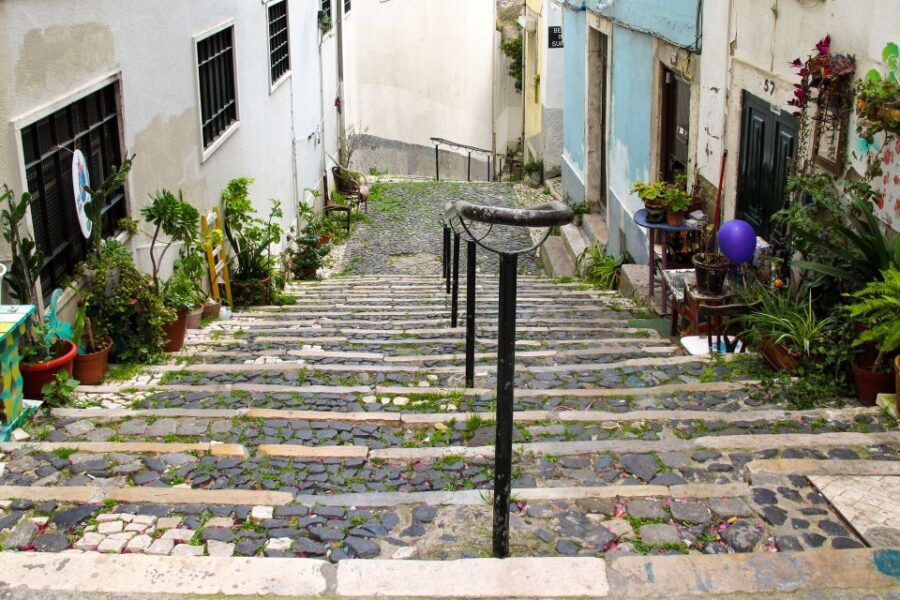
After the Graça area, you’ll move toward Monastery of São Vicente de Fora, then continue into Alfama. Monasteries and churches work well on a walking tour because they don’t require transit planning. They’re just there, shaping the streets around them, and they give you a sense of how Lisbon’s past still frames daily life.
Then comes Alfama, and this is where the walking tour earns its title. Alfama is known for its narrow, winding, sloping streets, and you’ll spend time moving through them with your guide. You’ll also learn a key historical point: the district of Alfama was unscathed by the 1775 earthquake. Hearing that while you walk those streets is powerful because it turns a fact into something you can sense in the neighborhood’s texture.
I like how Alfama is treated as more than a pretty backdrop. Your guide helps you notice small squares, cafes, and the kind of street life that makes the area feel lived-in. This is also where you get those colorful lanes that people associate with Lisbon, but with context behind them.
You’ll have more viewpoints and church stops on the way, including Santo Estêvão Belvedere and Nossa Senhora da Conceição Church, which help keep the walk balanced: views for perspective, then churches and streets for meaning. There’s also a stop at the Jose Saramago Foundation Museum, included as part of the route, giving a modern cultural layer to the older neighborhoods.
Practical note: Alfama can be physically demanding because the streets slope. The good news is that your guide can steer you so you’re not just grinding uphill. You’re pausing and learning while you move.
Markets, churches, and the city’s rhythm before the sea reveal
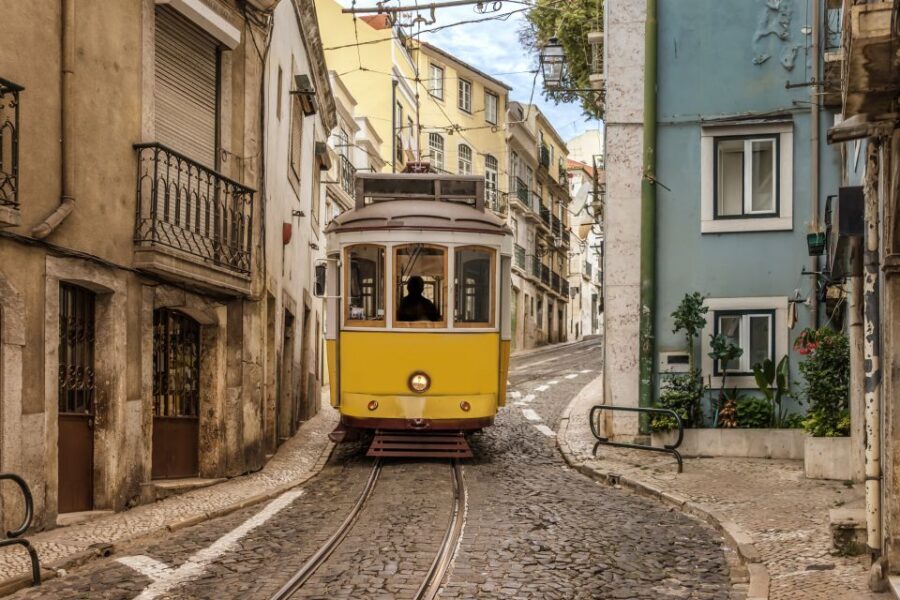
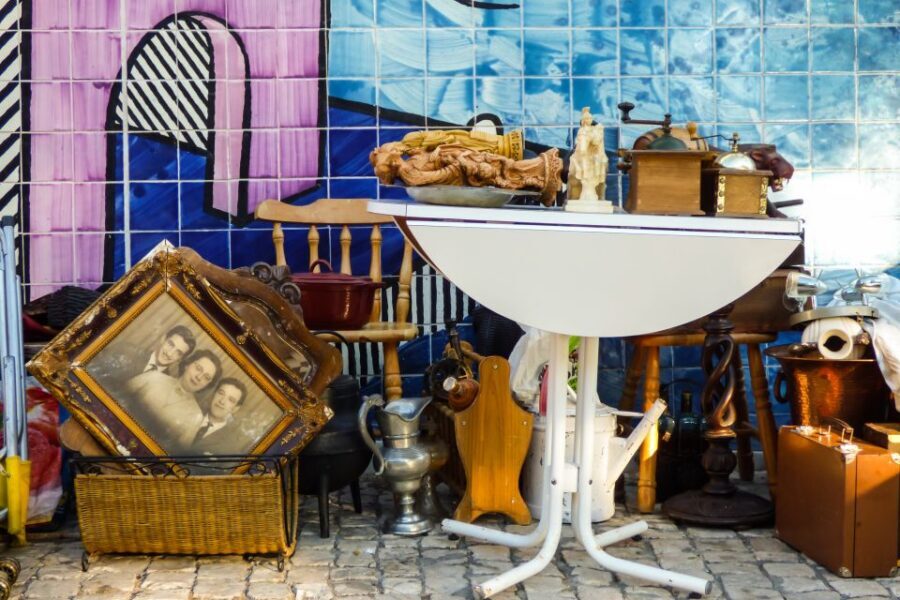
One of the smartest parts of this tour is the way it balances “big landmarks” with in-between moments. You’ll hit historic churches and convent areas along the way, but you’ll also get a sense of day-to-day Lisbon through street-level scenes. The experience includes time for a lively market vibe, and it helps you understand how people actually move through these neighborhoods.
Stops like Church of Our Lady of Grace (and earlier stops such as Moorish Quarter segments) are there for more than pretty architecture. Your guide ties the places together so you get a feeling for how Lisbon’s spiritual and cultural identity formed in layers. Even if you’re not a hardcore architecture fan, you’ll likely enjoy how your guide points out what to notice: placement, style cues, and why these buildings show up where they do.
Another helpful detail: the route keeps you within walkable distance of viewpoints. That matters because Lisbon’s best views often require elevation. By threading viewpoint stops into the itinerary, you avoid the common problem of doing a city walk where you’re stuck climbing with no payoff.
This section also works well if you enjoy photo stops but want more than one-off snapshots. Your guide times the picture moments, and you get to look, listen, and then take a few great frames instead of rushing.
You can also read our reviews of more private tours in Lisbon




Praça do Comércio: the dramatic harbor square finish
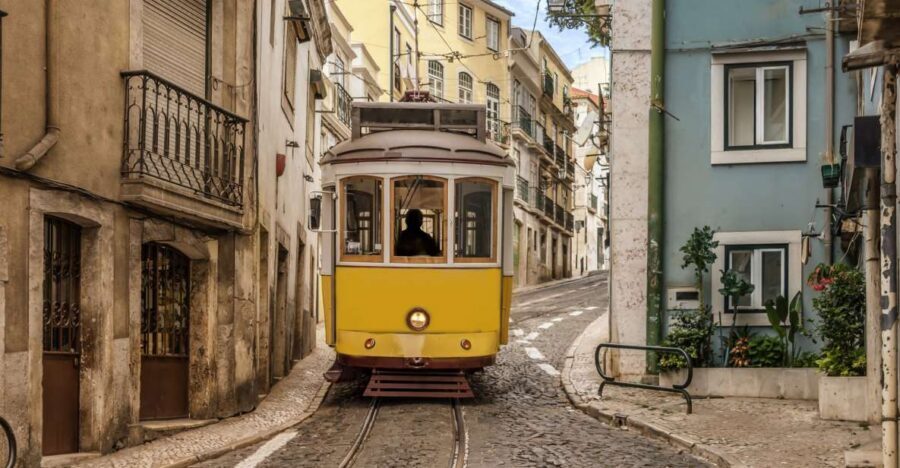
The climax of the walk is Praça do Comércio, the grand square that opens dramatically toward the water. When you arrive, you feel that shift instantly: from tight streets and steep lanes to a wide harbor-facing space where the city spreads out.
You’ll also learn about the Tagus River as you stand in the square, and you’ll take in views of the Cais das Colunas footbridge. The bridge is noted for its royal past, since it was once used by kings. That kind of detail is exactly what a good guide does: turns a familiar-looking landmark into a story you can carry with you.
This ending works especially well because it matches what your earlier stops have set up. By the time you reach the harbor, you’re not seeing Lisbon from one angle. You’ve been trained to understand Lisbon’s layout: how hills feed neighborhoods like Alfama, how viewpoints reveal what you’re walking toward, and how the river anchors the whole city.
If you’re thinking about what to do next after the tour, this finish is convenient. Praça do Comércio is a natural starting point for further exploration along the water and toward the center.
Price, value, and who this private tour suits best
The price is $82 per person for a three-hour private walking tour. At that rate, you’re paying for more than a route. You’re paying for a guide who steers you through context, viewpoints, and neighborhood culture, plus two included drinks: a ginja tasting at A Ginjinha and a coffee at Miradouro de Graca.
Is it a bargain? It can be, depending on how you travel. If you’d otherwise spend money on multiple small guided entries, a private guide can actually help you get more out of the time you have. Three hours is also a sweet spot in Lisbon, where walking is half the experience and hills can slow you down.
It’s a smart choice if you:
- Want history with place-based context, not just museum facts
- Like food-and-drink culture, especially if you want to try ginja without hunting for the right spot
- Prefer a route that goes beyond the standard “hit the main views” plan
It may not be the best fit if you:
- Have mobility limitations, since the walk may require climbing and isn’t suitable for everyone
- Hate steep streets and steps, even with breaks built in
Should you book this Lisbon like a local private walk
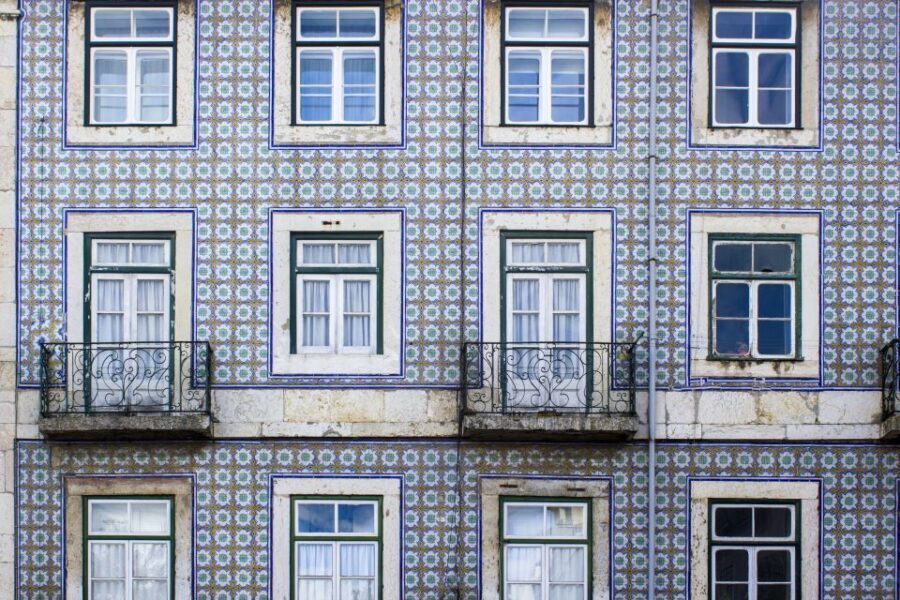
I’d book it if you want Lisbon to feel like a story, not a photo album. The tour’s strongest points are the practical pairing of ginja and coffee with viewpoints that actually teach you the geography, plus the neighborhood-based focus on Mouraria, Alfama, and fado connections.
Also, the guide factor is real. Past departures have highlighted guides such as Alfredo and Joana for enthusiasm and strong personality, which matters a lot on a short, active walk. A guide who keeps energy up makes the climbs and tighter streets easier to enjoy.
If you’re on the fence, think about your travel style. If you like guided walking, neighborhood context, and a drink-and-view rhythm, this is a very good match. If you need step-free routes or you only want flat, low-effort sightseeing, skip it and choose something more accessible.
FAQ
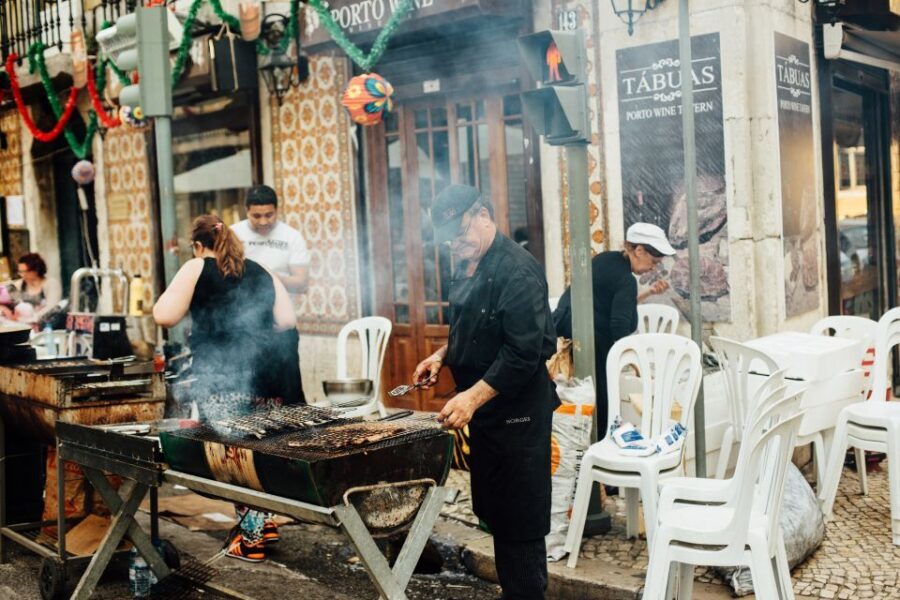
Where do I meet for the tour?
Meet at the entrance of the bar A Ginjinha.
How long is the private walking tour?
The tour lasts 3 hours.
What’s included in the price?
A ginja tasting and a cup of coffee are included.
Is hotel pickup or drop-off included?
No. Hotel pickup and drop-off are not included.
What language options are available for the live guide?
The live guide can speak Spanish, English, Portuguese, or French.
Will the tour run if it rains?
Yes, the tour runs rain or shine.
Is the tour suitable for people with mobility impairments?
No, it is not suitable for people with mobility impairments.
What is the cancellation policy?
You can cancel up to 24 hours in advance for a full refund.